Gaming Stories: Ride of the SS Stupid

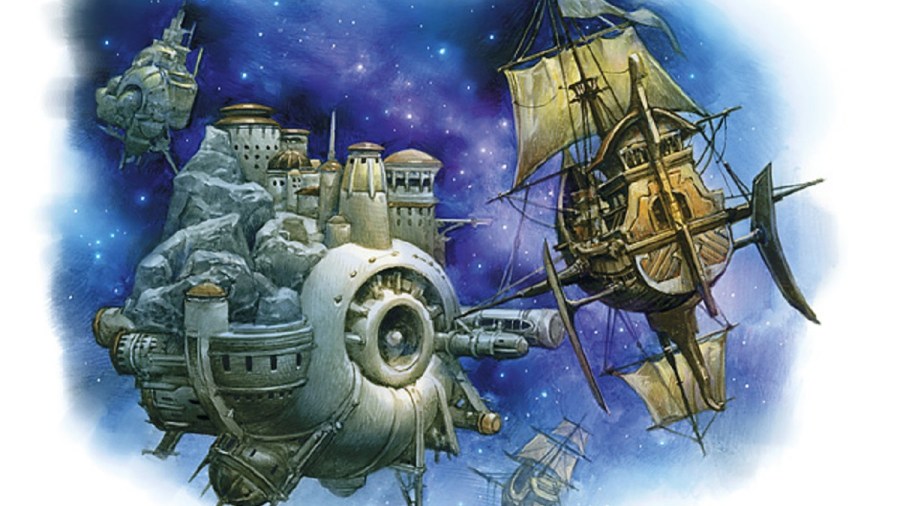
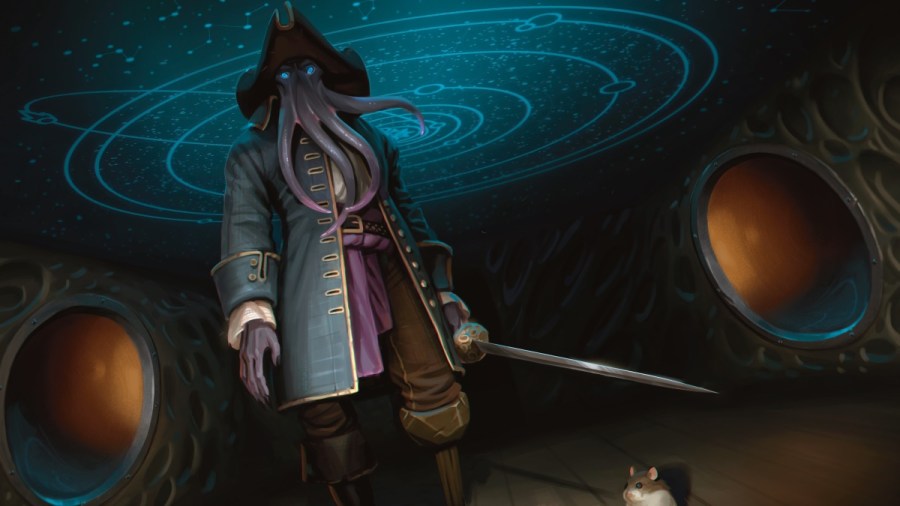
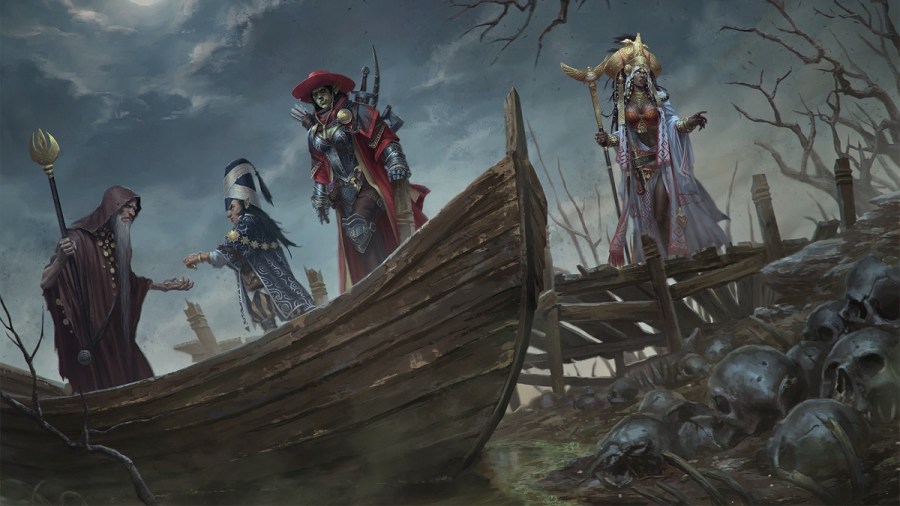
The beauty of role-playing games lies in the stupidity of the PCs. Sometimes they will act with tactical precision and annihilate their foes, but often they will come up with the most ridiculous harebrained schemes imaginable. Those moments of glorious foolishness are where RPGs shine the brightest. Such was the case when the players in my Pathfinder game created the SS Stupid and set it off on its maiden voyage.

Continue reading “Gaming Stories: Ride of the SS Stupid”

Paizo’s Controversy, Bad Behavior, and the Dilemma of Ethical Consumption

Folks who read this blog or who know me in person probably realize that I’m a pretty big shill for the Pathfinder RPG. While I love a lot of different role-playing games, Pathfinder has won my heart due to a combination of rules, art, and creative worldbuilding. On the other hand, while I have always appreciated the work Paizo Publishing has done in creating both Pathfinder and its sister game Starfinder, I’ve never particularly idolized the company. This week is a good example of why.

Paizo is currently embroiled in a major controversy of its own making, due largely to poor decisions by management and atrocious actions taken by some of its most influential members. The company has had some serious issues for a number of years, and many of those problems are now on display for the world to see. This has all raised questions in my mind about ethical consumption, especially when it comes to luxury products like RPGs. By continuing to buy Pathfinder products, am I condoning Paizo’s bad behavior?

The answer is…well, complicated.

Continue reading “Paizo’s Controversy, Bad Behavior, and the Dilemma of Ethical Consumption”

The Many Faces of Elminster

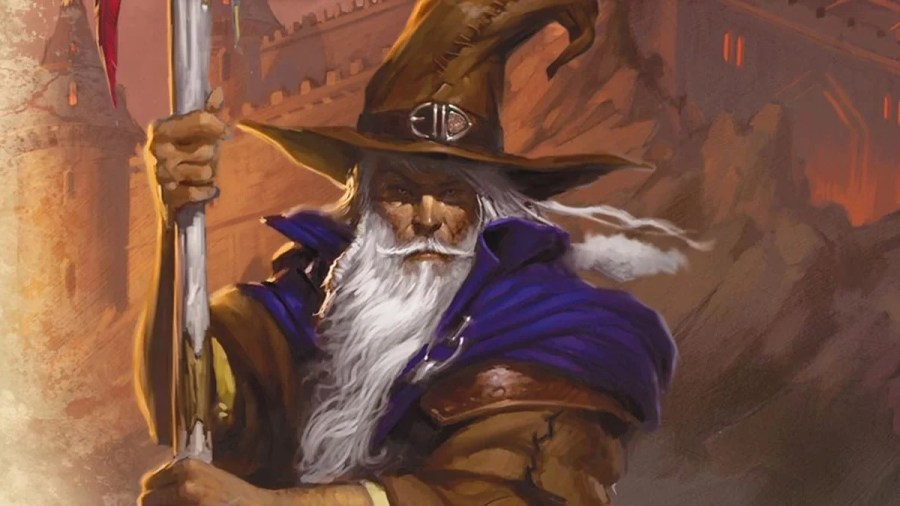
I’m a Forgotten Realms player from my 2nd edition AD&D days, which means I got exposed to the setting right around the time that Elminster the Sage was crammed down players’ throats everywhere. He showed up in a great deal of Realms fiction, bothered PCs during official adventure modules, and even pestered the protagonist in the Baldur’s Gate videogames.

In most of his appearances, Elminster either served as an annoyance or suggested with his mere presence that the PCs were wholly unnecessary. After all, if a 29th-level wizard with multiple deities as his allies has his eye on something, mere mortals, no matter how well-intentioned, become redundant.

D&D‘s 4th edition tried to reverse course by stripping Elminster down to become less powerful, but he returned to his mighty stature with the transition to 5th edition. Yet despite his might, Elminster doesn’t have to be a nuisance to the PCs; there are many ways to present a massively powerful wizard without having him overshadow everything else. Here are a few optional takes on Elminster that jive with his official stats in most versions of D&D while giving him a twist to make his presence in a game less domineering.

Continue reading “The Many Faces of Elminster”

The Return of TSR: What the Hell Just Happened?!

The RPG hobby got its start in Lake Geneva, Wisconsin with a tiny company known as TSR. That company will go down in history as the original owner of Dungeons & Dragons. Unfortunately, it is also notable for horrendous mismanagement that caused it to struggle through the late 1980s and ultimately go broke in 1997, where it was ultimately purchased by Wizards of the Coast. But the mismanagement of many years doesn’t hold a candle to the series of PR disasters that struck an ill-fated attempt to revive the TSR trademark in the summer of 2021.

Continue reading “The Return of TSR: What the Hell Just Happened?!”

Why Don’t We Have More Good D&D Video Games?

The approaching full release of Baldur’s Gate III has a lot of gamers very hyped, and for good reason. It’s a high-end video game utilizing the ever-popular Dungeons & Dragons system…and it feels like it’s been forever. While fans got an expansion to an old classic with Baldur’s Gate: Siege of Dragonspear in 2016, there hasn’t been an actual proper stand-alone D&D cRPG since Sword Coast Legends in 2015…and you have to go all the way back to Neverwinter Nights 2 to find one that was well-received.

Why the long layoff in titles and the difficulty in creating a solid game bearing the D&D trademark? With excellent cRPGS like Dragon Age and Pillars of Eternity out there, why can’t the grandparent of all role-playing games follow suit? The answer, in my opinion, boils down to resources, creative restrictions forced by the property, and good old-fashioned corporate politics.

Continue reading “Why Don’t We Have More Good D&D Video Games?”
Clydesdale

Gaming Stories: The Evolution of Claude the Clydesdale

A long-running campaign of mine transitioned from several weeks in a massive dungeon to a cross-country trek. The party featured a paladin with a celestial horse and a sorcerer who rode a phantom steed. The final PC didn’t have any mount. She wasn’t really interested in getting one, but the rest of the group twisted her arm and convinced her that she needed to buy a horse. She did, and she named it Claude Awesome the Awesome Clydesdale.

Continue reading “Gaming Stories: The Evolution of Claude the Clydesdale”
AD&D Player's Handbook

The History of Dungeons & Dragons

Born in a basement in Wisconsin and spun together from a hodgepodge of borrowed rules, Dungeons & Dragons gave birth to an entire industry and remains a cultural icon almost half a century later. Other role-playing games have come along, but none have matched D&D‘s profile in the popular consciousness. In addition to a lesson on how creativity and innovation can create a hobby revolution, the history of D&D provides a very important lesson: what goes around comes around.

Continue reading “The History of Dungeons & Dragons”
White Dragon

D&D and Pathfinder: What’s the Difference?

Dungeons & Dragons is the 800-pound gorilla of the role-playing game industry, and Pathfinder is its younger, smaller, but still quite imposing cousin. These two games of heroic fantasy dominate the industry in terms of sales and profile. But what’s the difference between the two of them?

In many ways, they are extremely similar. Pathfinder began as a series of adventures for 3rd edition D&D, and then split into its own game when 4th edition proved to be less popular and third party friendly. Yet despite their similar roots, both games have also gone through new editions since that split. D&D went back to a more classic feel, while Pathfinder embraced mechanics and setting material that helped differentiate it from its ancestor.

Which game is better? I won’t answer that, because that boils down to a matter of opinion. What I will do here is compare the 5th edition of D&D to the 2nd edition of Pathfinder (the current version of each game as of this writing), noting the difference in their design goals. Both games provide a great heroic fantasy experience, but they do so in different ways. And here are the differences as I see them.

Continue reading “D&D and Pathfinder: What’s the Difference?”
Deck of Many Things

Gaming Stories: Pick a Card

Every once in a while, I like to send the PCs against a monster that’s just out of their league. When you’re low-level, encountering an adult dragon or a lich can still be fun. The only difference is that the goal stops being killing the other guy and taking his stuff and becomes a matter of survival. After all, sometimes the monsters want to kill some adventurers and take their stuff.

Continue reading “Gaming Stories: Pick a Card”

Pathfinder Flumph

The Awesome Silliness of Fantasy RPGs

Originally published on Sidekickcast.com

If you’re a fan of role-playing games, you probably got introduced to the game through a little thing called Dungeons & Dragons. It may have come by a different name back then, such as Advanced Dungeons & Dragons, but the general gist remains the same. In my unscientific study, about 99% of gamers were found to have come into the hobby via some iteration of D&D.

I’ve hopped around a lot in the RPG hobby, and while I got off the D&D train, my current game of choice, Pathfinder, is an extremely close cousin of the world’s first role-playing game. While there are a lot of reasons I tend to stick close to the D&D tradition, one of the major ones is the oddball humor that the game’s history is steeped in.

I like a good beer and pretzels game, where the play is fairly casual and the jokes are frequent. And when it comes to D&D-style fantasy, the jokes have been baked into the game for decades now.

Continue reading “The Awesome Silliness of Fantasy RPGs”