The Definitive Superman vs Luthor Encounter

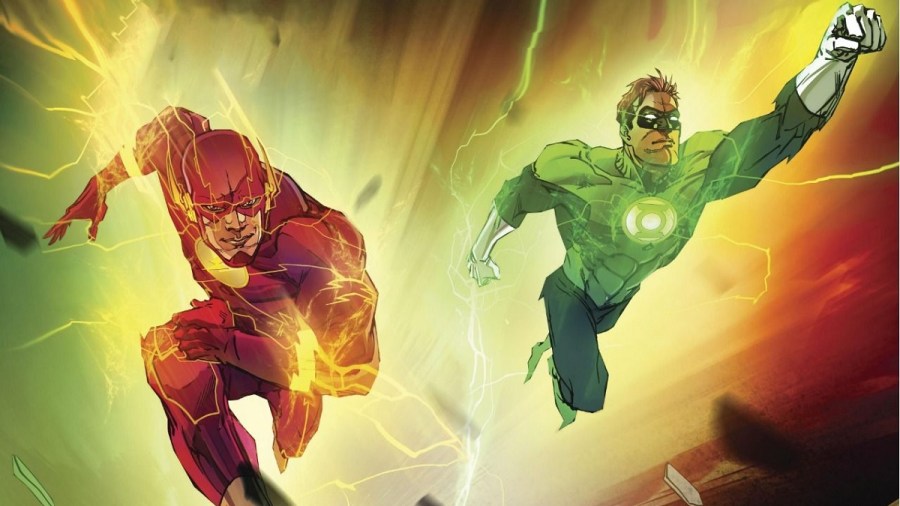
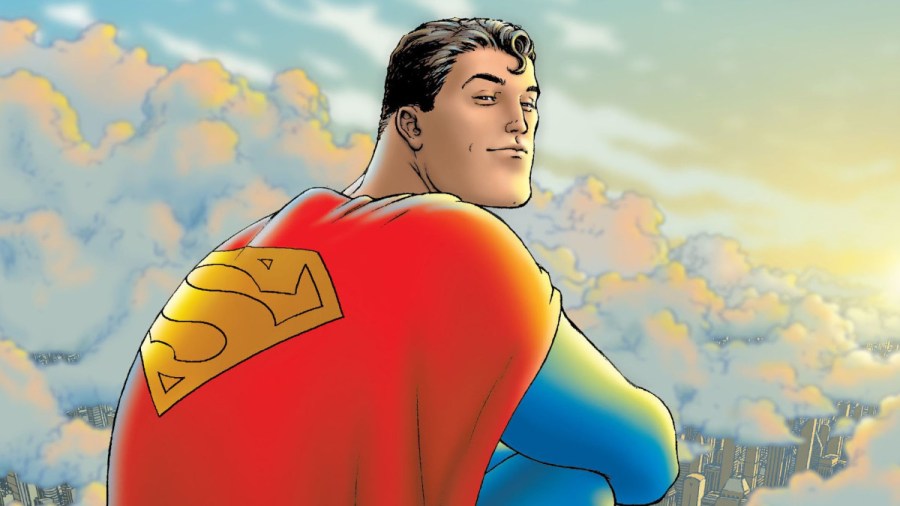
In my opinion, All-Star Superman is the best Superman story ever told. Not only does it capture the heart of the character, but it embraces all the crazy stuff from the Silver Age while somehow making it not suck. It’s a good example of how you can take even the silliest stuff from superhero comics and make them work by using them in a serious manner.

There are many great parts in this 12-issue series, but my favorite issue doesn’t show Superman in costume at all. It’s the one that deals specifically with Clark Kent and Lex Luthor. The final exchange between the two summarizes the entire Superman/Lex Luthor relationship to me.

Continue reading “The Definitive Superman vs Luthor Encounter”

A Kind of Magic: Highlander The Series, seasons two through four

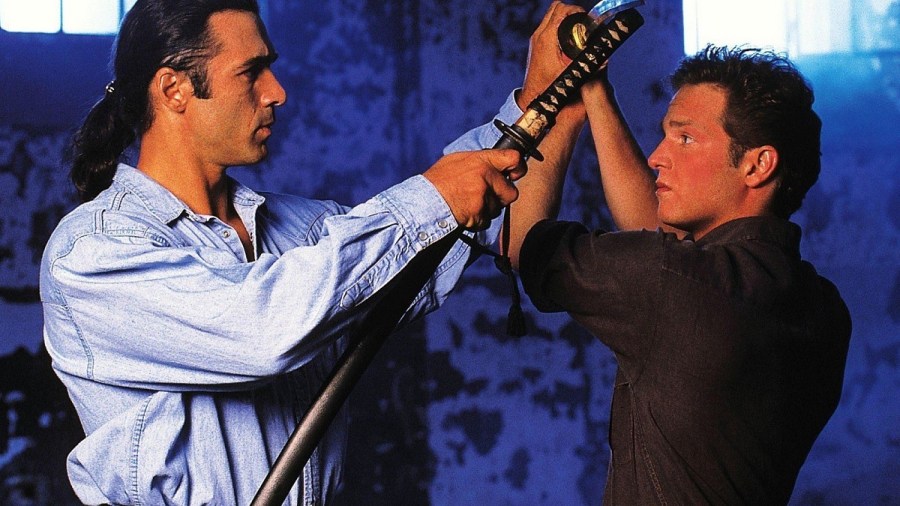
Despite struggling a bit early on without a clear direction, season one of Highlander: The Series was popular enough to warrant a continuation. That alone was remarkable enough; the franchise hadn’t exactly shown itself to be terribly viable beyond one movie up to that point. The second season did face some major hurdles, with the lead actress leaving the show and some budget cutbacks. Despite these problems, the show hit its stride and went on to produce some of the best moments of the franchise in seasons two through four.

Continue reading “A Kind of Magic: Highlander The Series, seasons two through four”

The Simple but Significant Plot Shift of In the Heights

Spoilers for In the Heights (play and film) follow.

The excellent Broadway musical In the Heights received a film adaptation this summer and, like most such adaptations, it went through some changes from stage to screen. Character arcs shifted slightly, some numbers got cut, and a few items got added to make the show more topical. But one particular change left me really thinking, and I feel that it subtly alters the tone of the entire story.

Continue reading “The Simple but Significant Plot Shift of In the Heights”

The Weirdness of Golden Age Batman

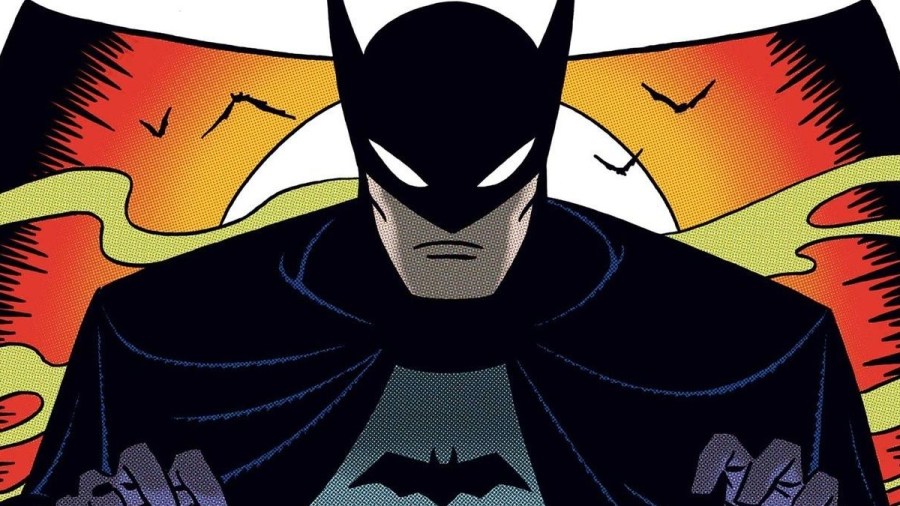
To somebody used to the grim and brooding modern Batman, Golden Age stories involving the Caped Crusader are fairly weird. From Batman’s occasional habit of gunning criminals down to the appearance of aliens and monsters every few issues, it’s safe to say that the Dark Knight took a few years to find his footing. Case in point: Batman #1 from 1940, which introduced the character of Catwoman, known then merely as the Cat.

Continue reading “The Weirdness of Golden Age Batman”

Phantom Histories: The 1962 Film

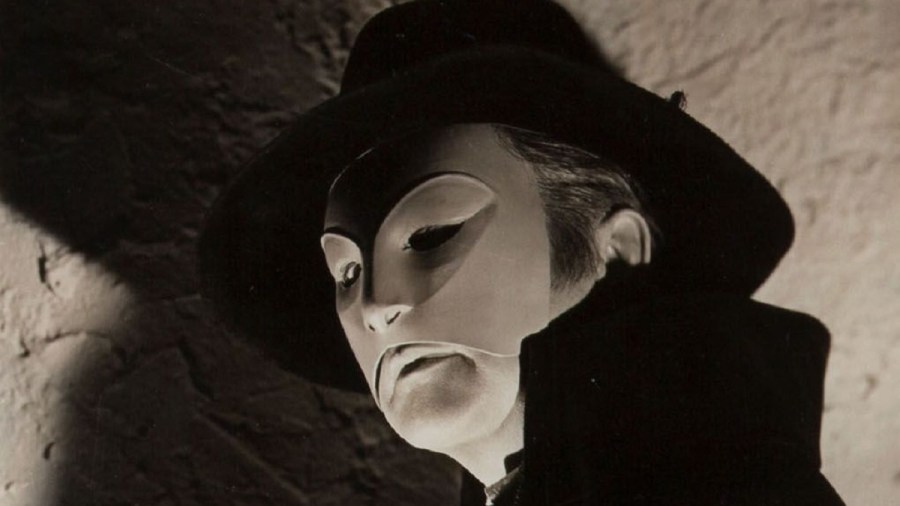
The 1962 adaptation of The Phantom of the Opera is everything the 1943 film was but more so. It has strong acting (with the Phantom played by Herbert Lom), plays up the disfigurement of the title character, and has the unfortunate tendency to overemphasize the Phantom as a charming and sympathetic character. It matches what the 1943 film did well (save for the extra spoke in the love triangle), but keeps from being the ideal adaptation by repeating the previous film’s flaw of making the Phantom too much of a good guy.

Continue reading “Phantom Histories: The 1962 Film”
Mushroom Kingdom

The Sociopolitical Implications of the Mushroom Kingdom

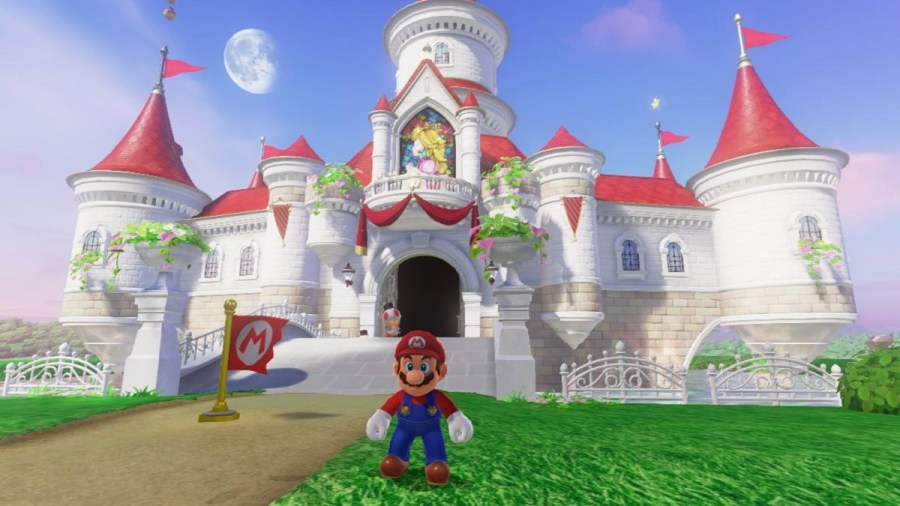
Consider the Mushroom Kingdom, the most common setting of the Super Mario Brothers franchise. Set aside the fact that its main populace consists of anthropomorphic mushrooms and focus instead on the downright bizarre social and political implications presented by Nintendo’s flagship franchise. Now consider how much weirder things get when you expand outward to games like Mario Party and Mario Kart.

This is a kingdom in a state of constant political upheaval, and yet there is no succession plan should the ruler be deposed. It lacks any sort of organized military despite being under constant assault by a literal fire-breathing dragon. The inhabitants show very little prejudice, and yet the social system is filled with incredible amounts of systemic bias.

Clearly, this strange kingdom bears a more thorough investigation.

Continue reading “The Sociopolitical Implications of the Mushroom Kingdom”

A Kind of Magic: Highlander The Series, season one

Following the catastrophe that was Highlander II: The Quickening, no one wanted to see another Highlander movie. The franchise got killed the moment someone decided that the immortals were really aliens from planet Zeist. But Davis-Panzer Productions wanted to continue the franchise somehow, probably because it was the only property they owned that had moneymaking potential. Movies were a dead end for the franchise (at least until later in the 1990s), so the production company had to out its hope into a TV series.

A TV show allowed for more episodic adventures with different immortals, drawing from the rich tapestry of experiences of immortal Connor MacLeod. After all, Connor was about 500 years old, and the movies had only scratched the surface about his past. There was only one major problem: Christopher Lambert, the actor who had brought Connor to life, didn’t want to do TV.

Continue reading “A Kind of Magic: Highlander The Series, season one”

Phantom Histories: The 1943 Film

What do Claude Rains, Lon Chaney, and Michael Crawford all have in common? They each starred as the titular antagonist in adaptations of The Phantom of the Opera which, while excellent on their own, missed key pieces of the puzzle that keep me from considering them to be on the same level as the original novel.

The 1943 adaptation of The Phantom of the Opera goes one step further in that, while solid on its own, I believe that it actually did some long-term damage to the franchise that carried over into subsequent adaptations. Yet, at the same time, it gave the story some interesting twists that you can’t find anywhere else.

Continue reading “Phantom Histories: The 1943 Film”

Why Don’t We Have More Good D&D Video Games?

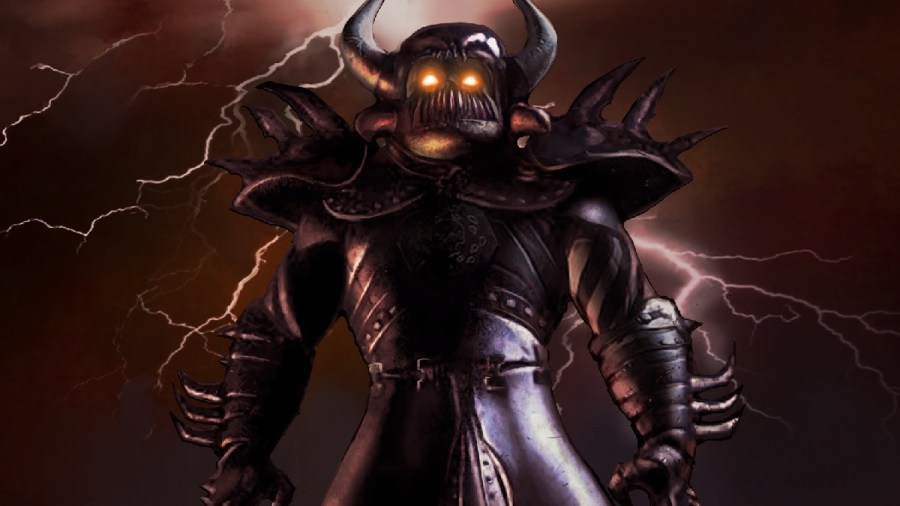
The approaching full release of Baldur’s Gate III has a lot of gamers very hyped, and for good reason. It’s a high-end video game utilizing the ever-popular Dungeons & Dragons system…and it feels like it’s been forever. While fans got an expansion to an old classic with Baldur’s Gate: Siege of Dragonspear in 2016, there hasn’t been an actual proper stand-alone D&D cRPG since Sword Coast Legends in 2015…and you have to go all the way back to Neverwinter Nights 2 to find one that was well-received.

Why the long layoff in titles and the difficulty in creating a solid game bearing the D&D trademark? With excellent cRPGS like Dragon Age and Pillars of Eternity out there, why can’t the grandparent of all role-playing games follow suit? The answer, in my opinion, boils down to resources, creative restrictions forced by the property, and good old-fashioned corporate politics.

Continue reading “Why Don’t We Have More Good D&D Video Games?”