
My novel Reality Check has a publication date of 2008, but it began on the back of a receipt tape eight years earlier.
I worked the night shift at a small-town convenience store. That meant I spent about one hour of my eight-hour shift cleaning, two more dealing with the bar crowd, and most of the remaining five alone as the night stretched on. My home life at the time was a nightmare, and I didn’t get a chance to do any writing there. But I did have rolls and rolls of blank receipt tape at work.
A Two-Page Firefight
One slow night at work, I took a blank roll of receipt tape and started scribbling out a scene. It was, at the time, one of the first real pieces of writing I had produced in almost a year. I had functionally no plot, just detailing a gunfight between three gang members and the protagonist in an abandoned church.
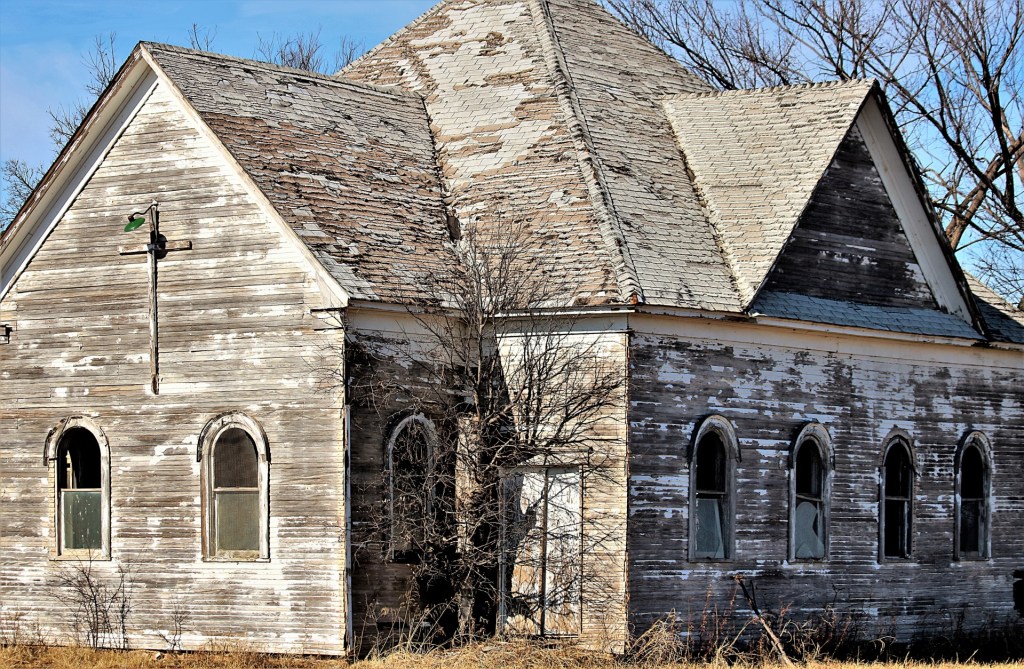
Like most of my early work, the story was an outgrowth of the role-playing games I played. In this case, the setting was something that could fit into the world of Cyberpunk 2020, and the protagonist was the first character I made for that game, a street medic named Gregory Crispin.
And that was it; just a little scene on some receipt tape. But writing inspires more writing, and the story grew over the next eight years.
College and Hackneyed Writing
Going to college changed my life in a lot of ways. Beyond setting the course for my professional career, my college years saw me creating more than I ever had before. I made almost daily updates to my website (then the Screamsheet, another nod to Cyberpunk 2020), and I wrote constantly. Not much of what I wrote was very good, but I went to bed every night with stories on my mind.
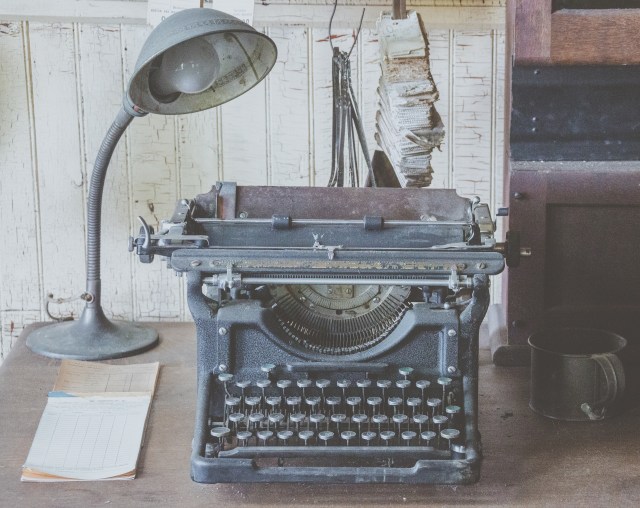
In my freshman year I expanded my little gunfight scene into a 20-page short story titled “Reality Check.” It drew in other characters that had originally debuted in Cyberpunk 2020 games, such as my solo Anne “Sister Machinegun” Westfeld and my friend Nick’s rockstar Jesse “The Jungle Cat” Gondolin. I even submitted a draft as a project in one of my writing workshops…and got savaged by the criticism.
As with many young writers, I had big feelings but not enough skill to convey them beyond broad clichés and hackneyed phrases that others had used a million times before. “Reality Check” had the seed of a good idea in it (what would you do if someone you loved and lost came back to life?) but lacked the language to push it forward. So it went back to my drawer of drafts and waited a while longer before it was ready to come out again.
Breakthrough
The short story “Reality Check” started with the two-page gunfight I had written on the back of receipt tape after high school. Anne Westfeld’s resurrection, which was the inciting incident of the story, happened off-page before that, which meant that I had relegated the most exciting part of the tale to backstory.
Two years after I finished the short story draft, I took a class on experimental writing. This led me to think a lot about the use of language and how breaking away from my typical first- or third-person past tense could make the story feel more immediate. I went back to “Reality Check” and finally wrote the most important scene: the part where Anne Westfeld came back from the dead and got the plot moving.
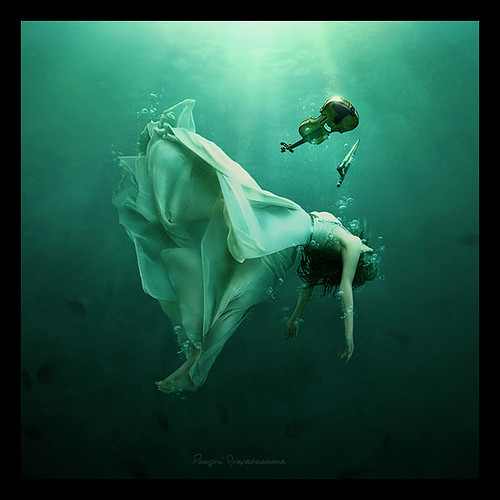
Her world is quiet, with only the faintest sounds echoing through seeming miles of water. Her life is the inside of a seashell until she opens her eyes.
God–does she believe in God?–the water burns. She feels the scrape of a plastic tube crammed down her throat, forcing air into her raw and aching lungs. Light streams into her world as her tears mix with the fluid around her, white streaks against the surface of the salty brine.
That prose would eventually kick off the second act of my finished novel, but it completely changed the way I told the story. Rather than everything coming from Greg Crispin’s point of view, Anne became a second main character with her own perspective chapters. In the year that followed I rewrote “Reality Check” and made it Reality Check, a 40,000-word novella that I then started peddling around for publication.
The Best Rejection
Sending something out for publication usually means collecting a lot of rejections. I felt heartened by the fact that many of the rejections I got for Reality Check came after the prospective agent or publisher had asked for sample chapters or even the full manuscript. It meant that my hook was working, even if the final product wasn’t quite getting there.
Usually, rejection letters come as form letters or no response at all. On occasion, someone gives real feedback. Those letters become valuable, and none was more valuable than an agent who recommended that I check out the novel Altered Carbon to look at how better world-building could improve my story.
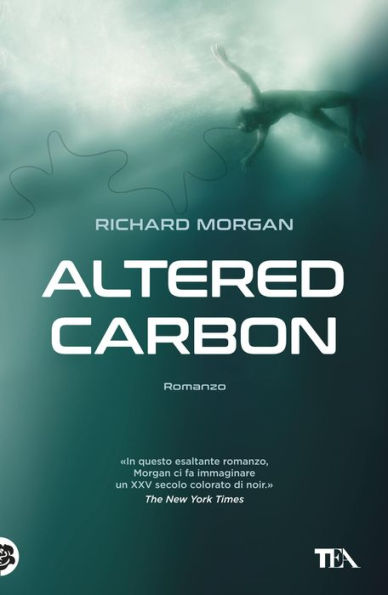
Was this a matter of Richard Morgan’s agent drumming up sales for the novel? Yes. But it was also valuable advice. I read Altered Carbon, noted how the first few chapters got the reader acclimated to the sci-fi setting without doing an information dump, and applied that to Reality Check. The story grew to almost twice its size as I added more world details throughout the piece, making the setting my own instead of a generic cyberpunk backdrop. Much of the world-building was front-loaded into a new first act that I wrote, which explored the relationships the main characters had before Anne died.
Rejections suck, but those that give advice are absolute gems. Without the suggestion from Richard Morgan’s agent, Reality Check never would have reached its finished form.
Final Evolution
I completed the “final” draft of Reality Check in 2007, seven years after I had started scribbling on the back of receipt tape during the night shift. Print-on-demand was somewhat new at the time, so I tried to self-publishing route for my final novel. This allowed me control over formatting, and it also let me choose my own cover. My girlfriend Sarah (who would become my wife by the time the book was published) utilized her photo-editing skills to use a picture of her own eye, color-shifted and with lightning effects added.

The novel got one more edit when I put it into e-book format, cleaning up some typos and adding a new opening paragraph to provide more of an instant hook to the story. It came out in 2008, two years after Shadowslayers.
Since it came out, Reality Check has been one of my most well-reviewed pieces of work. The lessons I learned in experimental language, world-building, and more all went to good use in this novel. It remains something I am very proud of, and it all began with a slow night shift.
Featured Image: BORIS G, CC BY-NC-SA 2.0
 Babbling Brooks