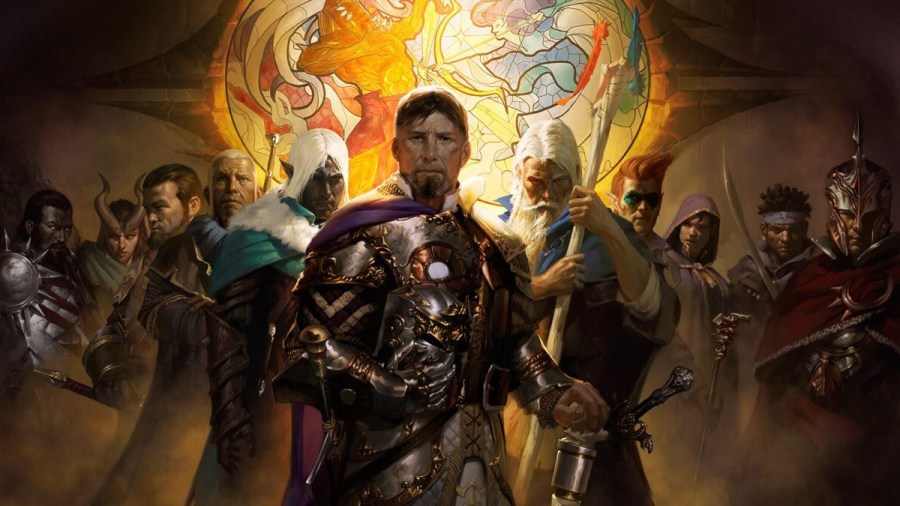
The 4th edition of Dungeons & Dragons made the most changes to the system to date. The class structure, level tiers, magic system, and planes of existence all got a top-down overhaul. The difference was too great to reconcile with old continuity, so the Forgotten Realms got hit with an apocalypse and a 100-year time jump.
For a setting that relied on its myriad of established characters and places, this was catastrophic. Much of what people liked about the Realms was destroyed, replaced with elements that made it more generic D&D.
Naturally, when the unpopular 4th edition was swept away and 5th edition opted to woo back fans the game had lost, the Realms largely got reset. The apocalypse was undone, old gods came back, and familiar NPCs returned. But the 100-year time jump had still happened.
So what happened to the likes of Cattie-Brie, Mirt the Moneylender, and Volo–all humans who would have died of old age during the century between editions? Well, most of them got magicked back to life.
Settle in, folks, because we’re going on a whirlwind tour of the many humans in the Forgotten Realms who should be dead of old age but are still kicking due to their popularity! Can’t tell one immortal from another without a scorecard!
Artemis Entreri
Bounty hunter, assassin, and rival to the iconic drow ranger Drizzt Do’Urden, Artemis Entreri was highly skilled, but nonetheless a mortal man. He did, however, have a complex relationship with the drow Jarlaxle, which led to his accidental immortality.
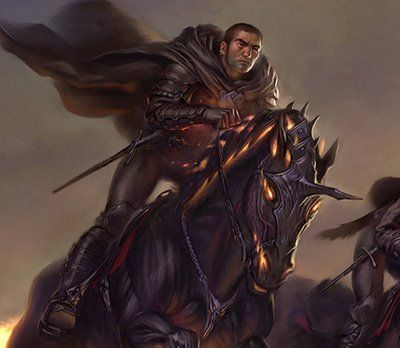
Jarlaxle was manipulated into bonding Artemis with the cursed blade Charon’s Claw, with some memory magic ensuring that both the drow and the assassin believed the other had betrayed them. Artemis’ life force became tied to Charon’s Claw, stopping him from aging but leaving him a slave to the artifact. Drizzt broke that bond by tossing the sword into primordial fire, but as of the 2016 novel Maestro Artemis is in possession of it again. He has now apparently mastered the blade, and it neither controls him nor provides him with immortality. It did, however, conveniently keep him alive through the transition from 4th to 5th edition.
Cadderly Bonaduce
RA Salvatore is one of the few people that Wizards of the Coast kept hiring to write novels into the 2010s and beyond, so his favorite characters ar emore likely to have survived the Spellplague than most others. Cadderly was once supposed to be the next big thing after Salvatore wrapped up his Drizzt Do’Urden series and started work on The Cleric Quintet, but the popularity of Drizzt kept drawing him back to the drow goldmine.
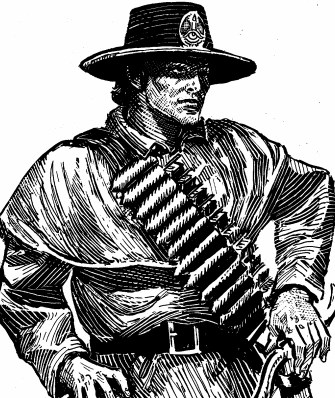
Nonetheless, the human Cadderly has shown up in several Realms stories over the years, including 2009’s The Ghost King where he took up the titular mantle to ensure that a powerful dracolich doesn’t threaten Toril. Following that novel, Cadderly walks the border between the Material World and the Shadowfell, bound to both worlds but part of neither–and conveniently immortal should an adventure ever require his presence in the future.
Catti-Brie and Wulfgar
More of RA Salavtore’s creations, Catti-Brie and Wulfgar were two human companions of Drizzt Do’Urden. Neither of them survived the Spellplague, and Drizzt’s non-human companions Bruenor and Regis likewise perished (although they conceivably cold have lived through it due to their longer lifespans). The Companions of the Hall all shared the same afterlife, which is a nice ending that most D&D characters don’t get.
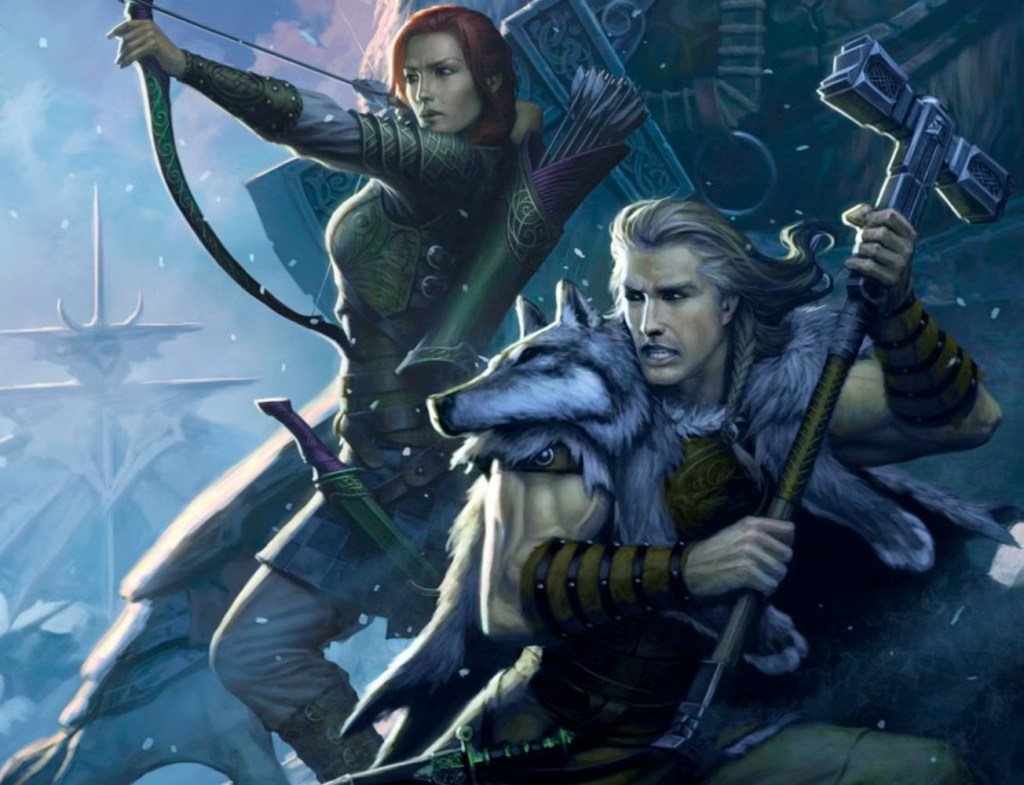
You can’t keep marketable characters down, though, and all the Companions returned to life courtesy of the goddess Mielikki, who gave them the option to either pass on to their designated afterlife or be reincarnated so they could save Drizzt when his darkest hour came.
Reincarnation in D&D is usually a crapshoot that can find someone brought back as a different species entirely, but a goddess can guide it more accurately. As such, both Catti-Brie and Wulfgar came back as humans and spent their new lives training for the moment when Drizzt would need them. They saved him, and now the old friends are back together should Wizards of the Coast ever decide that there’s money to be made in Drizzt novels again.
Durnan
A relatively minor character in the Realms, Durnan was my original inspiration for this article. See, Durnan is the owner of the Yawning Portal, a famous tavern in Waterdeep that has an entrance to Undermountain. He’s been window dressing in many adventures, but never a primary character that I would consider core to the Realms.
So why is he still around?
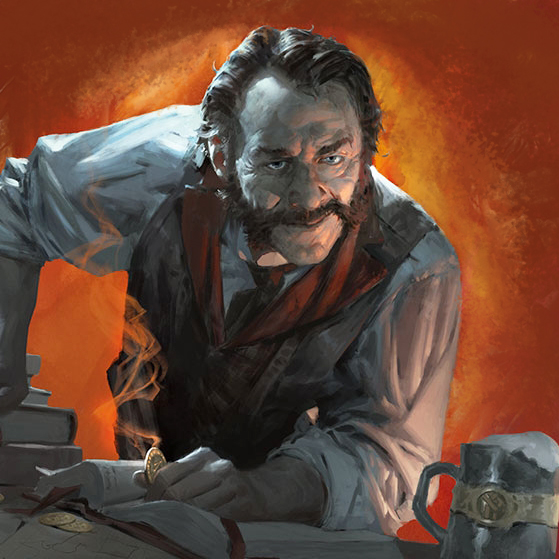
Durnan has several conflicting descriptions over the years, and as of 3rd edition was stated to be almost 100 years old. In 4th edition, a century later, the Yawning Portal was owned by “Durnan the Sixth,” a descendant of the original’s who had basically the same personality. I’m a bit irked over the decision to tag in what is essentially a clone of the original in a supposed reimagining of the Realms, but that is certainly one of the things I’m least bothered by in 4th edition D&D.
And anyway, the original Durnan is back and again the owner of the Yawning Portal, as established in Tales from the Yawning Portal for 5th edition. Why is he back? How did he become immortal? Nobody knows, and the text certainly isn’t going to say. Just about everyone in this article has a reason for their immortality, flimsy though it may be, but Durnan has no explanation at all and that drives me a little crazy.
As a product line, the Forgotten Realms tries to have its cake and eat it too by jumping the timeline significantly forward to explain rules changes while also deciding from time to time that everything should go back to where it was. Fifth edition could have rebooted the Realms back to its old state, but that would have placed the dreaded non-canon label on a bunch of novels that folks liked as a kid. So instead the setting gets a semi-reboot where everything that happened still happened and there was no real consequence for the passing of time. The Realms will always stay in the state where it made Wizards of the Coast the most money…and for some reason, that requires Durnan to be pushing 200 years old.
Elminster Aumar
Next to Drizzt, Elminster is the most iconic character in the Forgotten Realms. The old sage’s popularity means that he will never die permanently, but he was never presented as merely mortal.
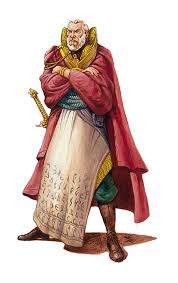
In the original Forgotten Realms boxed set, Elminster was already several centuries old: “It is suspected he learned his magical arts at the feet of Arkhon the Old, who died in Waterdeep over 500 years ago, and was in Myth Drannor near that magical realm’s final days.” In those days, potions of longevity were relatively common among high-level wizards.
The Elminster novel series, however, established a new background for the old sage: he is the first chosen of the goddess Mystra, imbued with magical silver fire that runs through his veins. This magic gives him functional immortality, although I suspect that he sometimes wishes he had a cure for gray hair.
Fzoul Chembryl
Mystra has the most chosen disciples, but she’s not alone in selecting mortals to be her champions. Case in point: Fzoul Chembryl, the chosen of Bane.
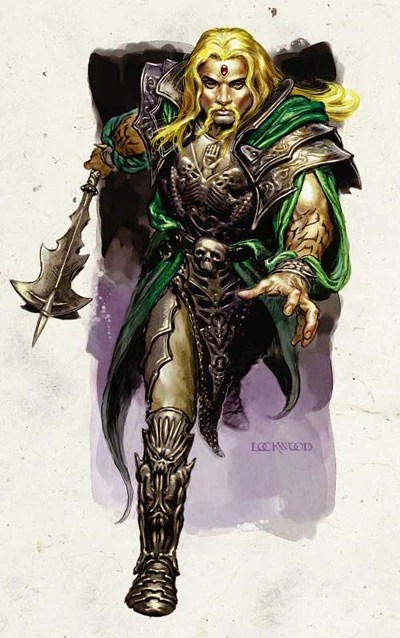
Like Elminster Fzoul was over 100 years old when he was introduced in the Forgotten Realms 1st edition boxed set, so there were already some divine shenanigans on display. He actually died before the Spellplague, but the god Bane brought him back to serve as his exarch.
Exactly what is an exarch? I confess: I don’t really know. D&D has so many layers of divinity that I can’t keep up. There are mortal chosen, who get special powers like Elminster. There are demigods, lesser gods, intermediate gods, and greater gods. There is the overgod Ao. As of 5th edition, Bane is a “quasi-god,” which is apparently someone of godlike power who does not have a divine realm. Where does an exarch stand in all of that? I don’t really know…it wasn’t even clear in 4th edition, which tried to codify all this stuff. All I know is that Fzoul started as a human and is still alive and kicked almost three centuries later.
Halaster Blackcloak
The Mad Mage of Undermountain, Halaster is supposedly even older than Elminster. He spent thousands of years trapped in a temporal stasis before escaping and building the vast dungeon known as Undermountain. He gains vast power and functional immortality from Undermountain, but it also breaks his sanity, earning him his reputation for madness.
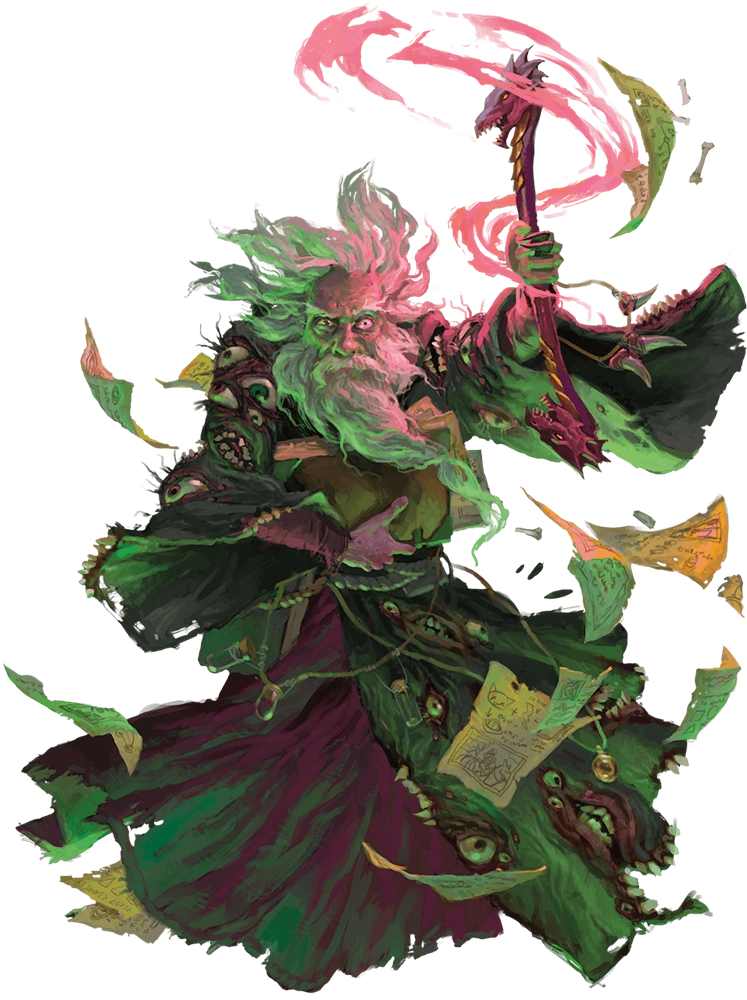
Halaster was recruited by Mystra in the novel Elminster in Hell to save Elminster from–you guessed it–Hell. In exchange for his help, Mystra began to cure his madness. She didn’t get very far, though, because the Spellplague was right around the corner. Also, Halaster died in the events leading up to Expedition to the Ruins of Undermountain.
Or did he? In attempting the ritual that “killed” him, Halaster actually wound up with his essence scattered across the planes. After the effects of the Spellplague ended and 5th edition D&D arrived, Halaster reformed in Undermountain, back to being evil and crazy. He serves as the final boss in Waterdeep: Dungeon of the Mad Mage, where the PCs can kill him…for 1d10 days.
“Halaster’s death also deactivates all gates in Undermountain. These gates reactivate when the Mad Mage re-forms 1d10 days later in a random dungeon location.”
Which basically sums up how character development works in a big property like D&D. Halaster becoming sane and serving Mystra would be interesting, but it wouldn’t sell nearly as many adventures as another trek through Undermountain.
Manshoon
Manshoon really illustrates the disparity between high-level spellcasters and mundane warriors in D&D. A top-level fighter can make half a dozen attacks in a round, while a well-prepared wizard can create an army of clones to give themselves functional immortality through an army of clones.
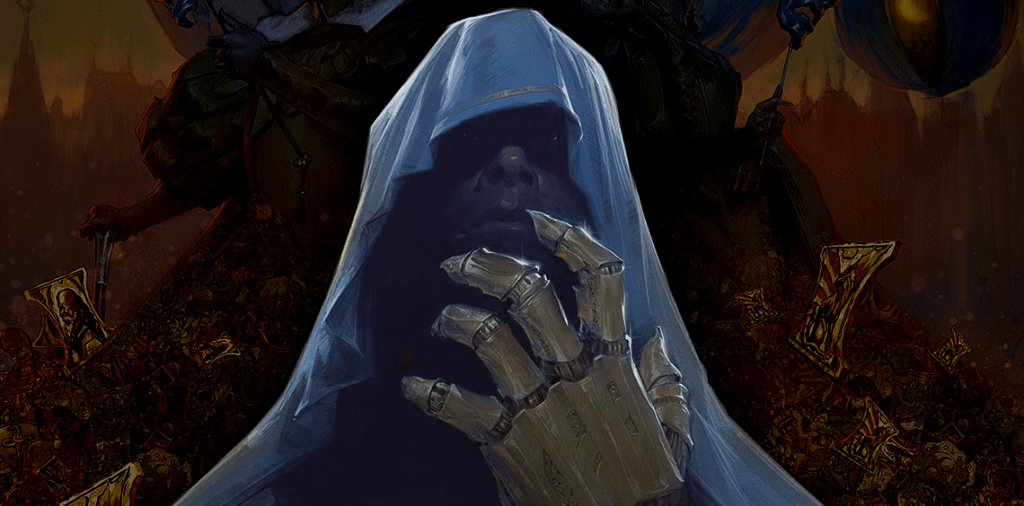
Manshoon is a powerful spellcaster who has been killed several times but makes liberal use of the clone spell to always have a duplicate out there. He managed to kill Elminster during the Spellplague, but the old sage got better. His original body is long destroyed, but as of Waterdeep: Dungeon of the Mad Mage he’s still kicking around in some form.
Mirt the Moneylender
Mirt gets a lot of hatred from me for what I think is a good reason. While I like the concept of an aged warrior turned semi-legitimate businessman, I never got over the narration from his adopted daughter Asper in Elminster in Hell: “Ah, Mirt! she thought, the gods smile upon me, indeed, to give me you as a father and lord and perhaps husband someday, all at once!”
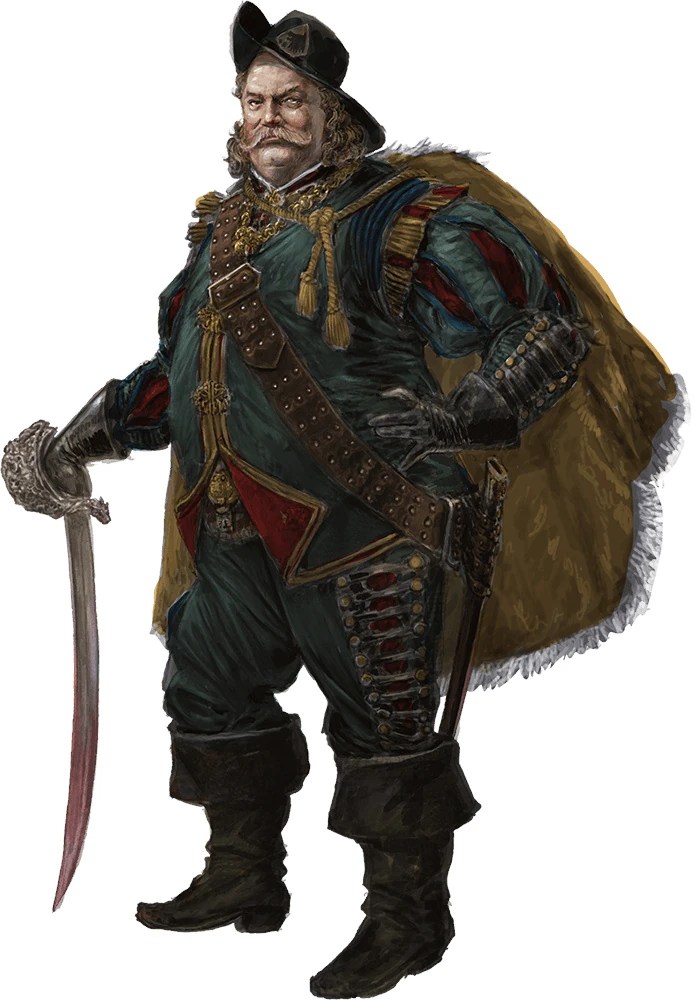
Even for someone who had been raised on some very questionable relationships in fantasy literature, that seemed to go too far. And as much as I wanted to chalk it up to Asper being young and naïve, further research taught me that, yes, she did wind up marrying the old man who raised her as his daughter. She was one of “Mirt’s Maids,” a title that makes me cringe.
Asper may not have survived the century-long gap between editions, but Mirt did. He got stuck in a magical handaxe during one of this adventures and was released by an unwitting noble. Of course, even before that he had magically extended his life (through means not disclosed in published materials), so the old ephebophile can stick around for many years to come.
The Seven Sisters
When I talk about Mystra really stacking up on her Chosen, I refer in part to the Seven Sisters. I personally wish these silver-haired ladies got more attention than the likes of Elminster, because they have interesting histories and personalities.
Some of them are also dead…sort of.
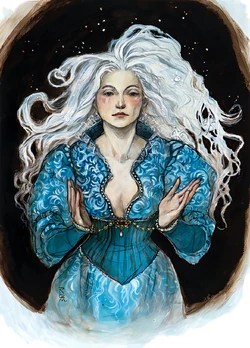
Anasta Syluné Silverhand died prior to the first publication of the Forgotten Realms but lingered on as a ghost for some years in Shadowdale before being totally destroyed at the end of 3rd edition. Her ghostliness would become a theme for the sisters, who never really seem to depart. Dove Falconhand, the Simbul (my personal favorite of the sisters), and Qilué Veladorn all perished after several hundred years of life but still exist as ghosts in the magical Weave that surrounds Toril, acting as messengers for Mystra.
Like Elminster, the sisters are some of Mystra’s Chosen, so they age very slowly if at all. Alustriel, Laeral, and Storm Silverhand are still about and many centuries old. And when they do die, they’ll probable become Weave ghosts in the same way that Jedi become one with the Force in Star Wars.
Vangerdahast Aeiulvana
Like most powerful wizards in the Forgotten Realms, Vangerdahast was already more than a century old before he appeared in publication. He’s only gotten older since then, although now he’s likely out of potions of longevity to extend his life.
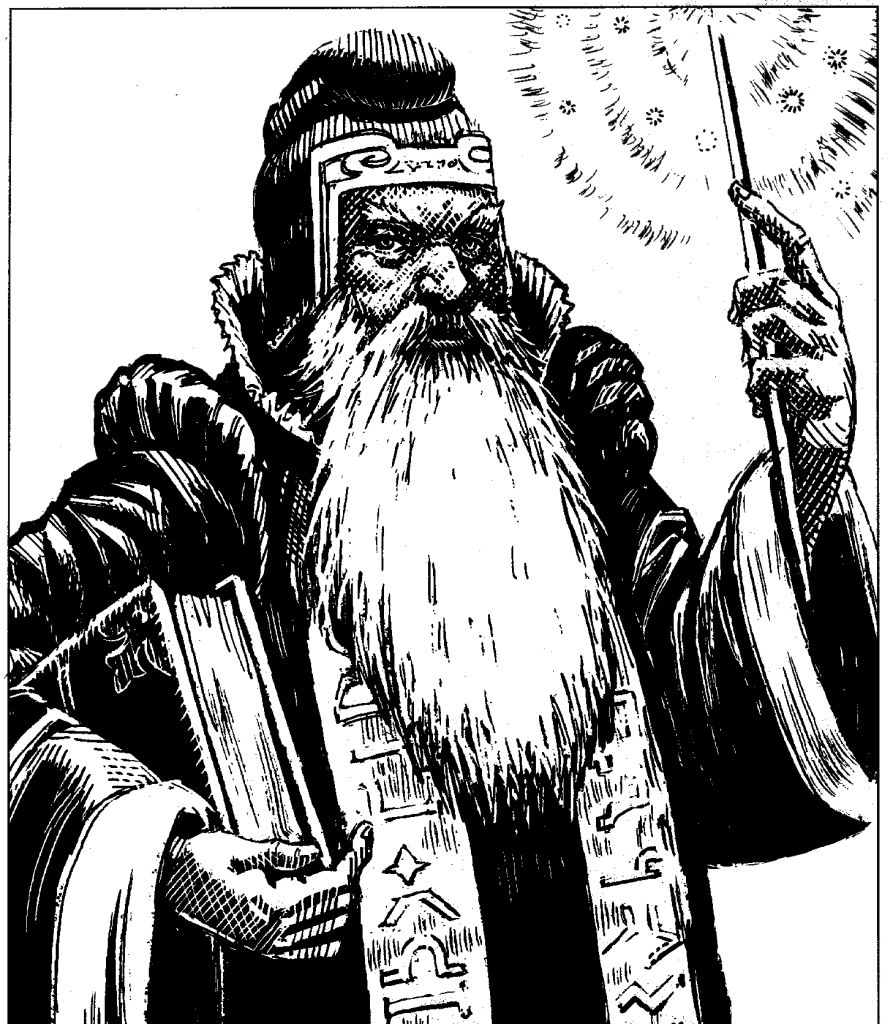
The former Royal Magician of Cormyr, Vangerdahast retired at the start of 3rd edition and began training a successor. That edition of D&D was not kind to the Realms, however, and Vangerdahast found himself drawn into several events. A lawful neutral “ends justify the means” type, he got involved in some dragon binding as a way to defend Cormyr. Naturally, forcing powerful magical creatures into servitude came back to bite him, especially once the dragons found out his plans.
Vangerdahast ultimately became a dragon himself, bound to protect the kingdom of Cormyr. The Spellplague disrupted his form but not his mission, and he remained in Cormyr as a wraith for over a century. As of the novel The Herald, which rang in the 5th edition Forgotten Realms, Vangerdahast is back in his human form. How he got there is not yet explained.
Volothamp Geddarm
Of all the major NPCs to have survived the time jump, Volo did so in a way that most makes sense with his character: he ticked off Elminster one too many times and wound up the victim of an imprisonment spell.
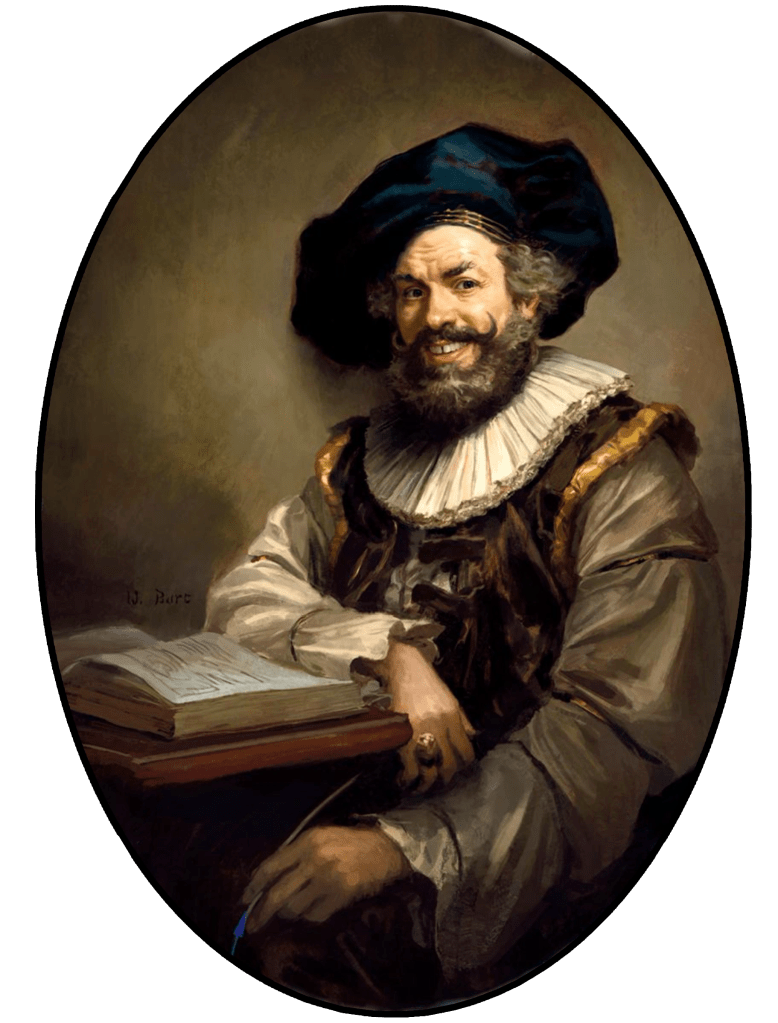
In the modern Forgotten Realms, Volo has escaped his imprisonment and returned to doing what he does best: writing travelogues of dubious quality. Many players of Baldur’s Gate 3 might remember him as a smear on the streets of Baldur’s Gate if their heroes failed to get him away from some explosives in time, but never fear–he has divine protection.
To protect the Weave from being destroyed and causing another Spellplague, Mystra made several mortals “Weave anchors,” so should the goddess die again the Weave can be stabilized. Volo is one such Weave anchor, although he himself doesn’t know it. Nobody should tell him, either, because if he found out he’d never stop bragging about it.
Xenk Yendar
The paladin from Dungeons & Dragons: Honor Among Thieves has a ways to go before he really counts as a popular Forgotten Realms character, but I include Xenk here for the notable reason that his immortality is completely unexplained and nobody in the film questions it.
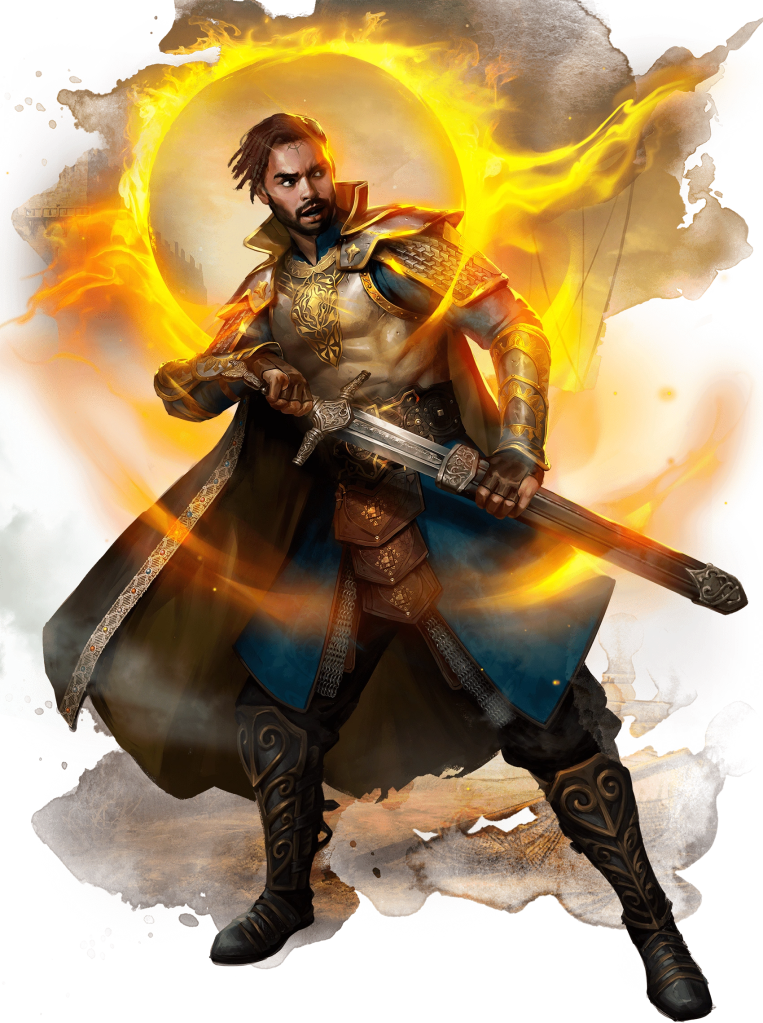
We can conclude that Xenk’s proximity to an evil ritual cast by the lich Szass Tam granted him longevity, but we don’t know that for sure. When the heroes of Honor Among Thieves hear his story, nobody asks him how he looks so young despite being so old, nor do they show any suspicion that he might not be telling the truth.
Maybe they’re too irritated with his no-nonsense holier-than-most demeanor. Or maybe immortality is so common in the Forgotten Realms that folks just assume that every third person has touched some sort of magical rock that allows them to live for hundreds of years.
Images: Wizards of the Coast
 Babbling Brooks