
In November 1963, the world got its first taste of Doctor Who. The first serial, often known by the name of its first episode “An Unearthly Child,” brought a pair of schoolteachers to a junkyard to investigate a strange student of theirs and wound up sending them careening through space and time. It set the formula for many stories to come, served as a key moment in the character arc of the mysterious Doctor, and is generally a must-watch for those who want to get a feel for the classic series.
What makes “An Unearthly Child” so great? Here’s my take on a few of the key elements.
The Unearthly Child
The first episode takes its time introducing the elements that would become familiar to viewers of Doctor Who. We don’t see the inside of the TARDIS until late in the episode, and the ship doesn’t travel until the very end. Instead, most of this serial’s first part focuses on the mystery of a girl named Susan.
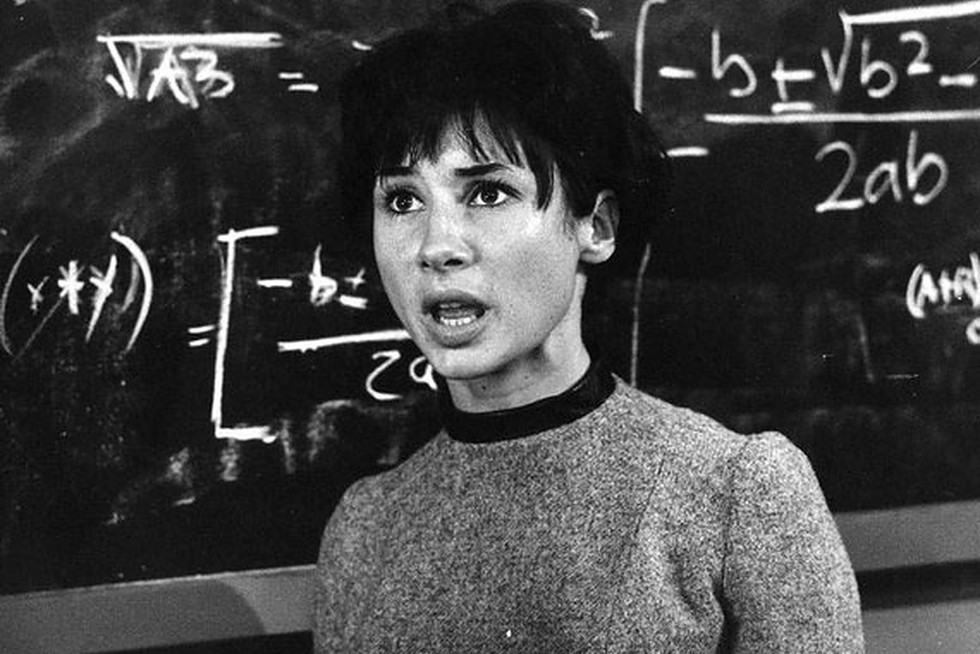
Susan is a bright young lady who seems far beyond her fellow students at Coal Hill School in many ways, but she gets tripped up by seemingly silly mistakes. She forgets, for example, that the English don’t use a decimal system for their currency (amusingly, a bit that would become validated by history, as the English did switch to a decimal system in 1971, eight years after this serial aired).
Much of the initial episode ignores matters of time and space, instead focusing on the attempts by two of Susan’s teachers, Barbara Wright and Ian Chesterton, in figuring out what is going on with their unusual student. This veers into a sort of horror when they discover that Susan’s supposed home address is a junkyard on Totter’s Lane and that their bright but potentially troubled student is apparently forced to stay shuttered in a police box by her grandfather.
Remember that in 1963 there wasn’t a lot of advertising or supplementary media to spoil the general premise of Doctor Who. The opening titles just showed some unusual patterns played over music. While viewers might have known that they were watching a science fiction show, many found themselves in the place of Barbara and Ian, not knowing what adventure they had coming.
Doctor Who?
One of the issues that modern Doctor Who has struggled with is that we know so very much about the Doctor. When the show got started, he was incredibly enigmatic, and William Hartnell really sold the mystery.
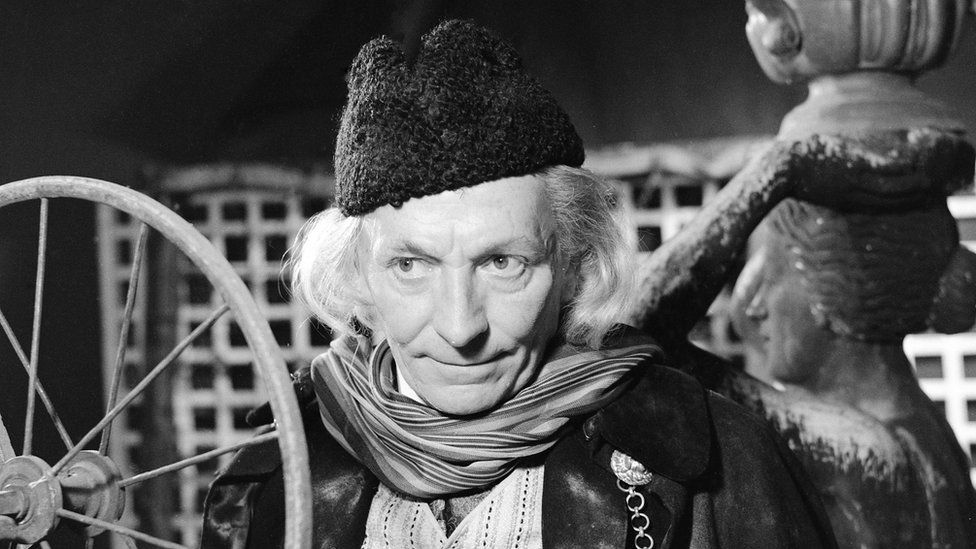
We get our first glimpse of the Doctor as he wanders into the junkyard and encounters Barbara and Ian. Immediately hostile to the pair because of their snooping about, he spends most of the first episode muttering to himself and trying to get them to leave the junkyard before they learn the secret of the TARDIS. Hartnell faces the camera often and rarely looks at his fellow actors during the Doctor’s introductory scene. His performance is very theatrical compared to the more television-friendly demeanors of his fellow actors, giving the sense that he is very different from anybody else in the series.
In the opening few serials of the series, the Doctor is contemptuous of humanity and nearly kills someone to save his own skin. This isn’t really because he’s evil but rather because he considers himself so far beyond humans that they are as animals to him. Over the course of the first season, Barbara and Ian show him that he is wrong in these assumptions, and he becomes much more personable.
The First Trip
The Doctor’s first human companions are kidnapped from their time, because the Doctor refuses to believe that humans will leave him alone once his secrets are revealed. He spends much of the first episode disdainful of Barbara and Ian, belittling them for their relative lack of intellect. It is thus appropriate that the TARDIS lands the crew in a prehistoric era, putting Barbara and Ian in a position where they are as technologically and intellectually advanced over the cavepeople they meet as the Doctor is to over them.
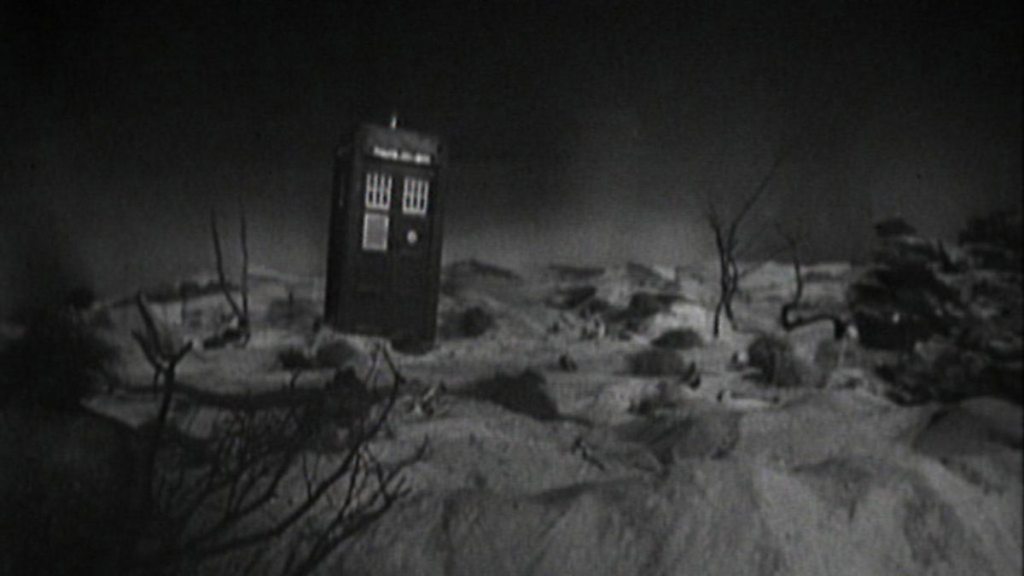
How the two humans deal with their plight sets up the Doctor’s early character development and shows him that humans aren’t so bad after all. The Doctor, for all his intelligence, causes more trouble than he solves in this early adventure. He gets captured while pausing to smoke his pipe (a habit that he never shows again in the series–perhaps getting bonked by a caveman taught him the perils of smoking). He considers killing a caveman in cold blood to save his own life and is dumbfounded when Ian challenges him on it.
The humans, meanwhile, show ingenuity and compassion during the adventure. They teach the cavepeople how to make fire as a way to earn their escape. They show mercy when it would benefit them not to. And they refuse to leave Susan or the Doctor behind, despite the fact that they have every reason to hate the latter.
There are many great moments in this first serial, but I think the most significant conversation happens during Episode Three, when the group is trying to make fire to escape their captors:
DOCTOR: Well, try and remember, if you can, how you and the others found your way here. Concentrate on that please.
BARBARA: Yes, yes, I’ll try. You’re trying to help me.
DOCTOR: Fear makes companions of all of us, Miss Wright.
BARBARA: I never thought once you were afraid.
DOCTOR: Fear is with all of us, and always will be. Just like that other sensation that lives with it.
BARBARA: What’s that?
DOCTOR: Your companion referred to it. Hope. Hope, Miss Wright.
Doctor Who quickly turns into a show about hope and its importance, hand in hand with the theme of compassion for those different than you. And the human companions that the Doctor accidentally takes with him change our hero forever. After this serial, the Doctor’s selfish curiosity gets the crew imprisoned by the Daleks. Then the malfunctioning TARDIS nearly kills everyone, turning him against Barbara and Ian in his paranoia until Barbara proves to be the key to saving the day. After that third serial, the Doctor changes drastically, becoming the impish grandfather that defined most of the First Doctor’s era.
It all starts with “An Unearthly Child.” A simple adventure that most people probably figured would never be remembered past the 1960s instead lay the groundwork for a show that remains revered today.
 Babbling Brooks