
Continued from last time, the Doctor ended his classic era as a fairly well-rounded individual…or as well-rounded as the Doctor ever gets, at least. Paul McGann’s Eighth Doctor was a culmination of the classic Doctors that had showcased the series from 1963 to 1989. He was brilliant, compassionate, quirky, and more open with his emotions than he had ever been before.
Then the Time War happened.
Between the 1996 TV movie and the 2005 series revival, the Time Lords of Gallifrey went to war with the Daleks of Skaro and nearly destroyed the universe in the process. Off-screen, the Doctor ultimately made the decision to destroy both sides, leaving him as the last of his people and carrying the weight of a double genocide on his conscience.
The revival era Doctor is basically a person going through the stages of grief. More dangerous and volatile than before, they were no longer a mere explorer but often verged on being a vengeful god–someone who wanted to save lives, but who could do terrible things when angered.
The War Doctor
We didn’t meet the Doctor’s ninth incarnation until almost a decade into the revival show. John Hurt’s War Doctor didn’t actually call himself the Doctor, as he is the version that fought most of the Time War. Born of a despairing Eighth Doctor whose pacifism during the war failed to save innocents who feared the Time Lords as much as the Daleks, the warrior was uncompromising and a force that both sides feared despite his continued refusal to carry a weapon.
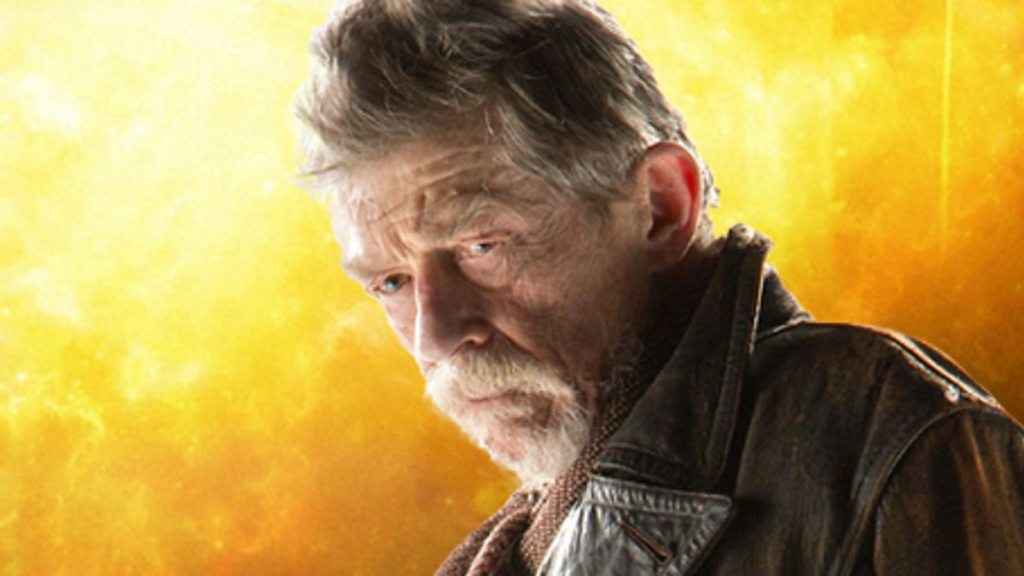
Most of what we as an audience know about this version of the Doctor comes from Day of the Doctor, the show’s 50th anniversary special. He largely resembled a Classic Era Doctor, exasperated with many of the modern ticks his younger incarnations show, such as wielding the sonic screwdriver like a magic wand or delving into romantic misadventures. Nonetheless, he possessed a dry sense of humor and the same compassion that all his incarnations possessed. His younger faces earn his respect when they prove capable of resolving seemingly impossible situations without violence.
With the Tenth and Eleventh Doctors, the War Doctor managed to reverse the destruction of Gallifrey, saving the Time Lords (for a while, at least). Sadly, he didn’t remember any of that heroism and instead died of old age believing that he had destroyed everyone.
The Ninth Doctor
Thanks to the revelation of the War Doctor’s existence, from here on out every incarnation of the Doctor is actually numbered one less–so what folks call the Ninth Doctor is actually the tenth face of this regeneration cycle.
Christopher Eccleston’s Ninth Doctor brought the show back from over 15 years of cancellation. He was a much more down-to-Earth Doctor, with a northern accent that the other incarnations had not sported and a simple black leather jacket serving as his signature outfit.

Behind a cheeky sense of humor and a rapid way of delivering exposition, this Doctor had an immense sense of self-loathing. To his knowledge, he had destroyed not only the Daleks but also his own people. The guilt over his actions would drive many of his decisions, even preventing him from destroying a reborn Dalek fleet that was about to exterminate Earth.
The Tenth Doctor
As far as stages of grief, David Tennant’s Tenth Doctor embodied denial. Young, sexy, and always ready with a fun quip, he used his looks and charming personality to cover up the fact that he had not healed from the Time War. The Tenth Doctor did his best to offer his enemies a chance at redemption, but his wrath could be terrible if they didn’t take it. He would also actively lie about his past, doing his best to hide his hurt and loneliness from his companions.

Despite a good deal of self-loathing carried over from his previous face, the Tenth Doctor had a good deal of vanity. He’s the only Doctor to express a fear of regeneration, likening giving up his face to dying. The cocktail of denial, vanity, and tragedy that made up this incarnation is perhaps a reason why this face would return in the future…he needed a chance at closure.
The Eleventh Doctor
The Tenth Doctor clung to his form so tightly that he used his own severed hand to renegerate into himself before finally passing the torch over to a new face. Matt Smith’s Eleventh Doctor was determined to move on from the aftermath of the Time War, but he never really healed. The result was one of the Doctor’s more erratic forms yet.
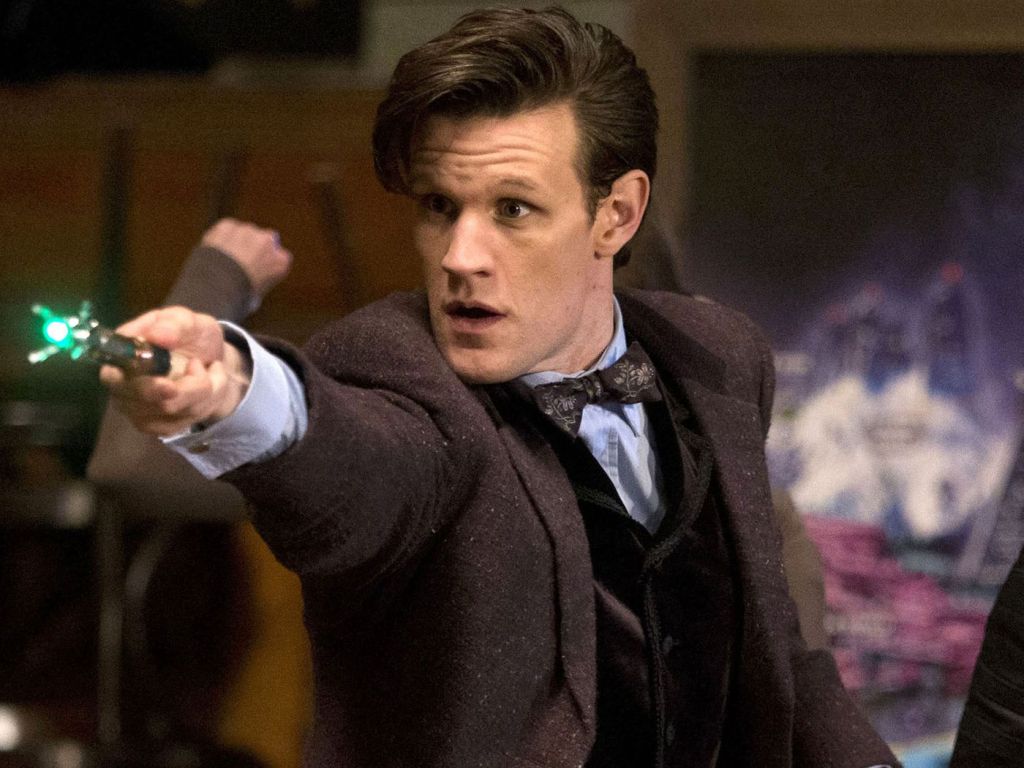
The Eleventh Doctor was quirky and mercurial, alternating rapidly from a clownish nerd to a man who didn’t hesitate to lash out at his enemies in disproportionate ways. This was one for the longest-lived incarnations of the Doctor, lasting for centuries before old age took him. Rather than heal the wounds of the Time War, though, he just put it out of his mind. He forgot how many children were on Gallifrey at the moment of its destruction, for example.
When the War Doctor met the Tenth and Eleventh Doctors, he asked if he was going through a midlife crisis. The short answer was, “Yes.”
The Twelfth Doctor
Due to the Tenth Doctor burning up an extra regeneration to keep his form and the presence of the War Doctor, the Eleventh Doctor was supposed to be the end of the Doctor’s life, since Time Lords are limited to a total of twelve regenerations. But some funky stuff happened, and the Doctor regenerated into Peter Capaldi’s Twelfth Doctor, now with a potentially endless supply of lifetimes.
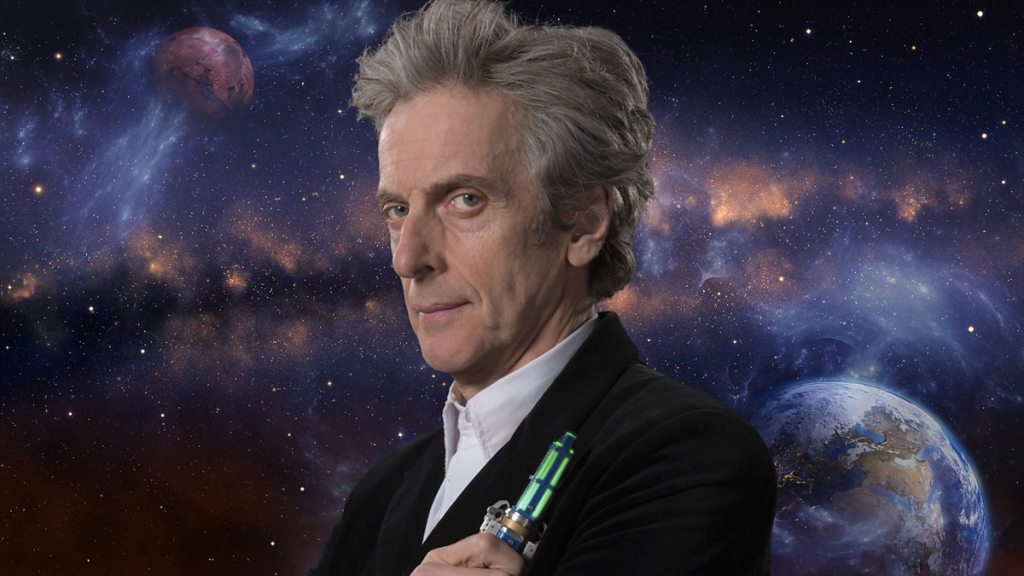
The first life of this new regeneration cycle mirrored the First Doctor quite a bit. The Twelfth Doctor was old, grumpy, and standoffish. He softened over time due to human companionship and ultimately took on a mentor role for his final companion, Bill Potts.
No longer pretending to ignore the effects of the Time War, the Twelfth Doctor wanted to be a good person above all else. Beneath his grumpy demeanor was a man who was willing to do almost anything to save lives. In fact, his face was one he had seen before: Lobus Caecilius was someone the Doctor had almost abandoned to die in the explosion of Mount Vesuvius, but whom he saved thanks to the intervention of his then-companion Donna. He took the face to remind him that the Doctor was meant to save people, no matter what. This was also the first clear indication the series gave that the Doctor does have some control over their regenerations.
The Thirteenth Doctor
The one question that the Twelfth Doctor struggled with was whether or not he was a good man. Desiring to be a kinder person, his next life cycle wouldn’t be a man at all. Jodie Whitaker’s Thirteenth Doctor was the first time the Doctor had a woman’s body…or so she thought.
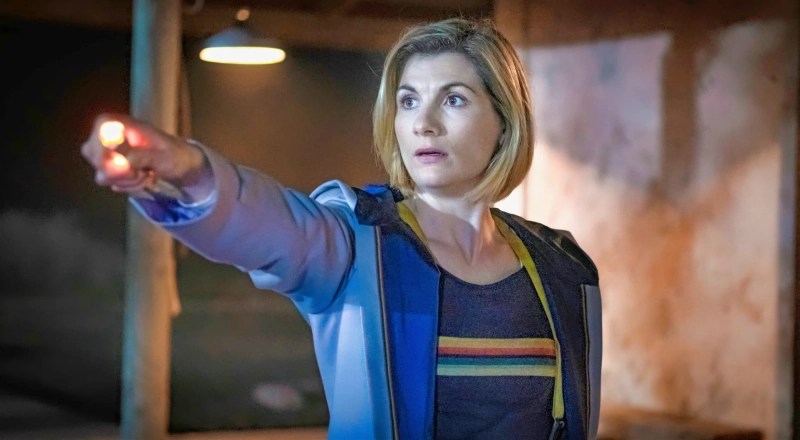
More upbeat, kinder, and cheerful, the Thirteenth Doctor spend most of her early life happily roaming the universe with her “fam,” a trio of Earthlings who accidentally wound up pulled into space with her. This was the first time in the revival era that the Doctor regularly traveled with a trio of companions, although such an occurrence had been fairly common during the classic years.
While she seemed to have moved past the trauma of the Time War, the Thirteenth Doctor’s cheerful demeanor turned out to be a facade. She rarely told her companions anything about her past and wound up reliving the horror of the Time War all over again when the Master destroyed Gallifrey. Ultimately, the Doctor was left without a home…and, eventually, without a past.
The Master revealed to the Doctor that she was the Timeless Child, an orphan from another dimension who had the ability to regenerate at the moment of death. Her genetic blueprint served as the foundation of the Time Lords, but those who benefited from it the most ripped away most of her past. The Doctor’s memories of her pre-First Doctor regenerations, including a fugitive Doctor who had served as a special agent of the Time Lords, were removed. By the end of the Thirteenth Doctor’s tenure, the title Doctor Who made more sense than ever.
The Fourteenth Doctor
Despite being one of the kindest an most hopeful versions of the Doctor, the Thirteenth Doctor endured immense tragedy. She lost her home, her history, and witnessed the destruction of a vast portion of the universe during an event called the Flux. That, perhaps, was why it was time for the Doctor to seek real closure.
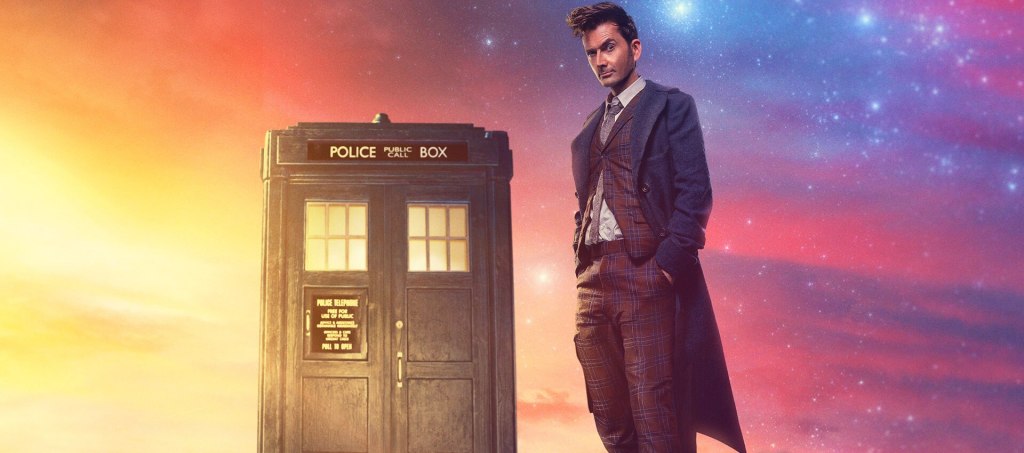
David Tennant returned as the Fourteenth Doctor in a trio of specials to celebrate the show’s 60th anniversary. Notably, despite his looks he was not the same as the Tenth Doctor. This version of the Doctor was much more open with his feelings, willing to express love freely. In contrast to the Tenth Doctor’s view of regeneration as a kind of death, he specifically told his companions that regeneration was not the same as dying. And, in contrast to the Tenth Doctor’s pre-regeneration words of “I don’t want to go,” his final words (or what he thought would be his final words) were, “Alonns-y…” literally, “Let’s go.”
The Fourteenth Doctor had the shortest lifespan of any Doctor that we know about. He crammed a lot of adventures into that time, though, and never took the time to stop. The loss of so many companions and the destruction caused by the Flux kept him less willing to look back than ever before. Ultimately, he would have burned himself out, but something unusual happened that finally healed our hero.
The Fifteenth Doctor
The Fourteenth Doctor didn’t regenerate. Instead, due to influence from the god-like Toymaker, he bi-generated, splitting into two separate Doctors: his present self and his future incarnation. This allowed the Doctor to do something they hadn’t ever done: retire and heal. Because the Fourteenth Doctor took the time to be with found family and work on his emotional state, the Fifteenth Doctor is (apparently) the healthiest and most emotionally mature Doctor yet.

The opening scene of “Space Babies” showcases how different Ncuti Gatwa’s Fifteenth Doctor is from prior versions. When asked about his past by his new companion Ruby, he lays everything out, explaining that he’s a foundling, that he’s lost his people, and more. In the next episode, he mentions his lost granddaughter Susan, whom he hasn’t been willing to mention to others for years.
The Fifteenth Doctor is energetic and cheerful, but willing to acknowledge the pain he’s gone through. He’s free with his emotions, willing to cry whenever something gets to him. And, like all versions of the Doctor, he’s utterly devoted to saving lives. In “Finetime,” he goes out of his way to save a group of bigots, and is absolutely devastated to learn that, had his skin color been different, he might have been successful.
Time will tell to see what new traumas rock the Doctor’s world, but it’s very refreshing to see the character grow emotionally and stop trying to hide all his traumas. The Fifteenth Doctor, for now, is an excellent role model for those seeking to move past emotional trauma and is in many ways a model person. Doctor Who will always have its ups and downs, but one thing is for sure: the Doctor will keep evolving.
Images: BBC
 Babbling Brooks