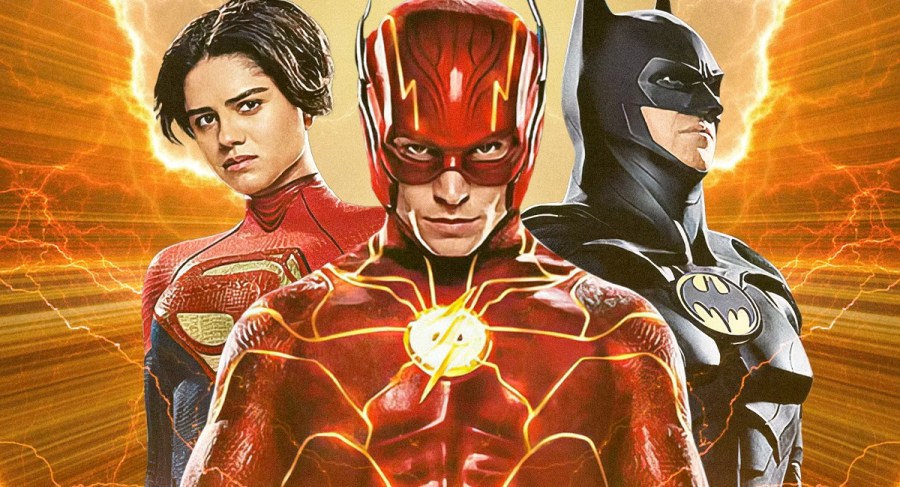
The Flash is the latest in a line of movies set in the DC Universe to flop critically, disappoint financially, or both. Despite trying to repeat the success of Spider-Man: No Way Home by giving fans a return of some of their favorite actors, in this case Michael Keaton as Batman, the film has greatly disappointed at the box office, spending a full month to reach the $250 million mark, all but guaranteeing that the film will lose a massive amount of money when all is said and done. It’s symptomatic of broader failures across the DC Cinematic Universe, which tried to replicate what Marvel accomplished with its films but has failed at almost every turn.
There are lots of reasons that these movies didn’t succeed, but I’m going to focus on what I think many critics ignore when they dissect these cinematic misses: the DC movies never took the time to earn the fan buy-in that they think they deserve.
Building a Universe
Superhero movies have been a hot commodity in large part because they have a built-in audience. Everyone knows Batman and Spider-Man, even if they don’t read comics. That creates immediate familiarity for moviegoers, which in theory means that they want to see films with the likes of Superman and the Flash in them. However, superhero stories get way out there fast, and going too far into the lore too early can lead to audience disengagement.

Avengers: Endgame was hugely successful, but it only worked because it had so many movies leading up to it. Folks watched a whole canon of films and got invested in the characters, from mainstream names like Captain America to traditional fringe players like the Guardians of the Galaxy. If Endgame had started with Thanos wiping a bunch of heroes out of existence, nobody would have really cared.
Consider the way the Marvel Cinematic Universe was built: it started in 2008 with Iron Man, which told the story of Tony Stark. We got hints of a bigger universe around that, with SHIELD making an appearance and Nick Fury showing up in a post-credits scene. The Incredible Hulk came next, and it hinted at the existence of Captain America (without making knowing about him integral to the plot), then introduced Stark in a cameo. Thor introduced the popular thunder god and again tied SHIELD in while also giving a cameo to Hawkeye, and Captain America: The First Avenger brought in the history of this budding universe. Iron Man 2 finally brought the world-building front and center by making Nick Fury and the Black Widow integral to the plot.
That’s five films before The Avengers blew everyone away and smashed box office records. The movies built on each other, but they weren’t integral. The Incredible Hulk, for example, was a flop, but Marvel easily moved away from it by recasting Bruce Banner and not making many overt references to that film.
Moreover, each movie that built up to The Avengers introduced some history that wasn’t integral to the individual film but which gave a sense that everyone lived in a shared world. Bruce Banner was looking to replicate the super soldier serum that created Captain America. Steve Rogers knew Tony Stark’s father. Nick Fury, Hawkeye, and the Black Widow were all tied together through SHIELD.
The Marvel Cinematic Universe took its time and earned audience investment in the broader world. The DC counterpart, on the other hand, did not.
Starting at the End
After Man of Steel, Warner Brothers gambled that fans would flock to see their favorite iconic superheroes regardless of how late in their respective careers we met them. Rather than present this universe’s version of Batman’s origins, for example, the studio decided to start with Bruce Wayne as a grizzled crime-fighting veteran who had already lost a partner.
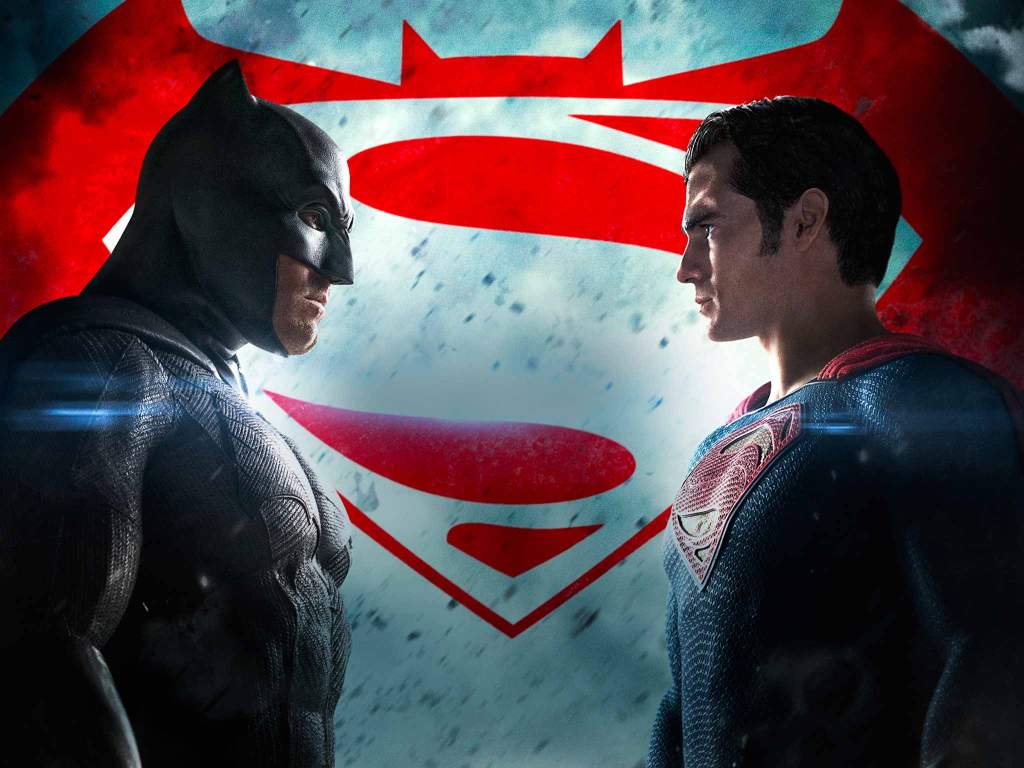
Batman versus Superman banked on the idea that cramming multiple beloved comic book stories into one big movie would be a huge success. Instead, it was a convoluted mess. A large chunk of the film borrows from The Dark Knight Strikes Again, where Batman and Superman face off in the climax, but it takes all sorts of shortcuts to get there. In this film, Batman and Superman have never met before. Thus, the pathos of two long-standing friends going at each other’s throats gets squandered.
Complicating matters more is the fact that the single film also pulls from the Death of Superman storyline and serves the additional purpose of inserting Wonder Woman into the film. Then, on top of all else, the film drops a scene that shows that Bruce Wayne did have a Robin, and that Robin was killed by the Joker–a squandering of a potential Death in the Family story but a necessary shortcut to jump right to a grizzled and hopeless Batman who would want to kill Superman without knowing all the facts.
Even though folks know Batman and Wonder Woman, they don’t know this Batman or this Wonder Woman. These characters are iconic, yes, but their stories have been told in so many different ways that audiences can’t possibly keep them all straight. The DC movies needed to establish who these characters were instead of fast forwarding to their most iconic moments. Moreover, the storylines in Batman versus Superman could have been spread across multiple films and allowed to breathe, but were instead mashed together into one film. The studio didn’t really care about telling those stories individually; they just wanted a shortcut to the Justice League.
Fast Forwarding Plot Points
When The Avengers came out, every member of the titular team had been introduced, however briefly, in a previous film. The one who had been least showcased was Hawkeye, and his tie to the Black Widow helped pull him into the narrative. Fans had, at that time, seen the Marvel Cinematic Universe grow organically.
When Justice League came out, on the other hand, Warner Brothers was focused on fast forwarding past all the world-building.
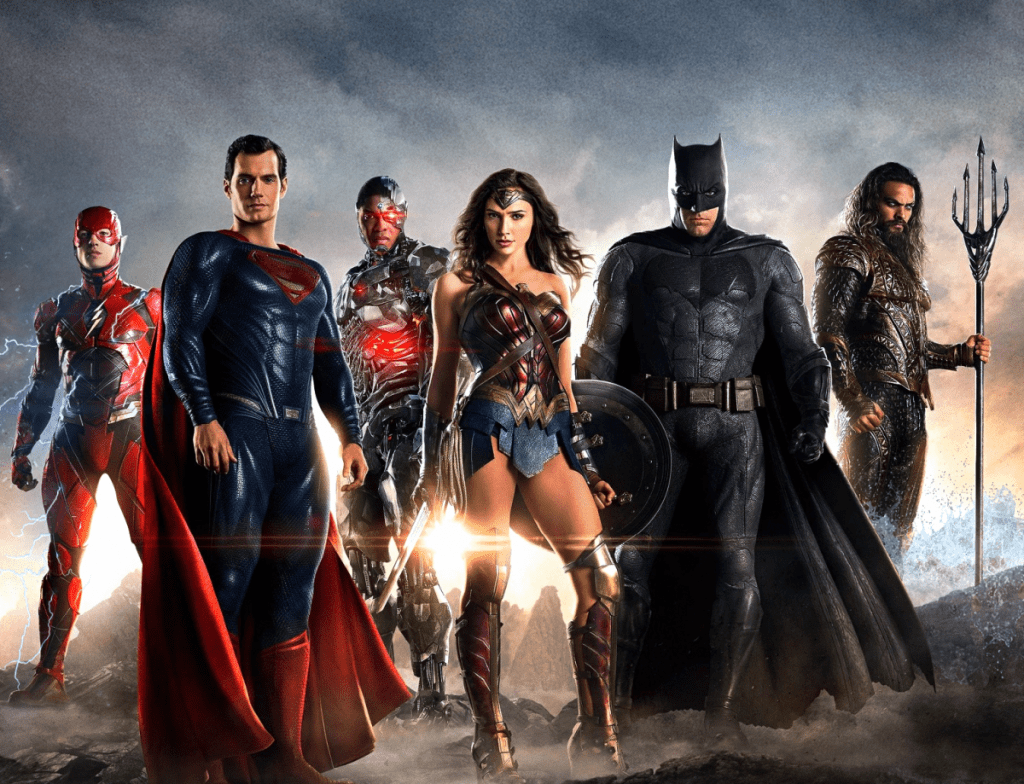
Justice League tried to harness the power of the Death of Superman storyline from the comics, but this version of Superman had only been operating for a few years before he died. Moreover, he spent a lot of that time as a divisive figure rather than a symbol of truth and justice. Batman had been straight up killing people. Wonder Woman showed up in World War I and then just sort of…laid low for the next century? (Captain America could pull this trick because he was frozen for decades; in the DC Extended Universe, folks somehow don’t know Wonder Woman despite the fact that she never took an ice nap and supposedly remained active as a heroine.)
Meanwhile, Justice League also crammed Aquaman, Cyborg, and the Flash into the film without giving those characters a proper introduction ahead of time. Fans knew Harley Quinn better than they did Aquaman.
This is not even touching upon the issues behind the scenes, with Warner Brothers replacing Zac Snyder with Joss Whedon in part so the film could be more like The Avengers and then dealing with the fallout of Whedon being a complete ass to everyone on the set.
The resulting film was a flop that also squandered potential plot points that could have served well in other movies. The death and return of Superman, especially, could have fueled a whole film on its own, but instead it had to share time with the introduction of previously-unseen superheroes, the use of a villain that has a lot of history but very little recognition beyond the public, and the formation of the Justice League itself.
Given patience, Warner Brothers might have had a full decade’s worth of films out of the material they tried to cram into Justice League and its predecessors. But the studio had no interest in earning that big payoff, and they still don’t.
The Flash and the Future
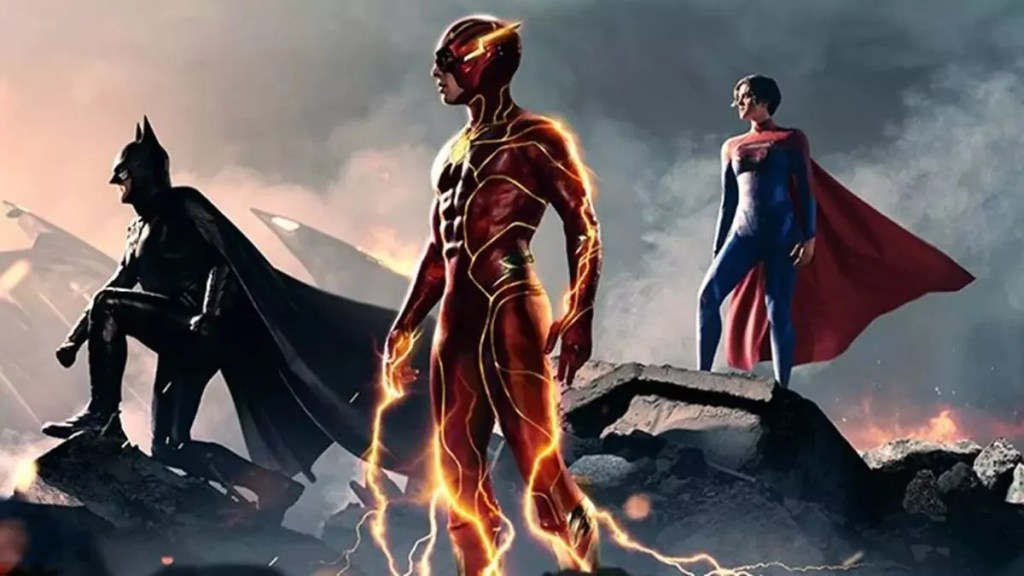
The success of films like Spider-Man: No Way Home likely convinced Warner Brothers that there was a big market in the idea of a multiverse, especially if they could bring former actors back to the roles that fans loved them in (like Michael Keaton and Batman). One miss, however, is that the Tom Holland Spider-Man whose universe served as the setting for No War Home is a very popular version of the character. By comparison, very few fans have a strong emotional connection to Ezra Miller’s Flash.
No Way Home, like The Avengers, used several films to set itself up. Spider-Man had gone from a kid with no confidence in himself to a superhero going through a major life crisis. He had earned his way into fans’ hearts, and when he shared time with his fellow Spider-Men, he wasn’t overshadowed by it.
In comparison, the biggest thing to look forward to in The Flash was the return of Michael Keaton as Batman. And while it’s great to see Keaton reprise that role (especially since so many fans had protested his casting back in the day), the lead of the film has to be able to match that draw. If folks are only going to see The Flash because of Batman, then someone has made a huge mistake.
While the ending of The Flash marks a clean break for the DC Extended Universe and a chance to reboot, I’m doubtful that any lessons have really been learned. The fact that the upcoming Superman: Legacy already has four other superheroes cast indicates a continued interest in pushing a larger superhero universe without first laying individual groundwork. While I could always be wrong, I think it’s clear that Warner Brothers still wants to jump to the big payday that Marvel found, but doesn’t want to put the storytelling effort in to make it happen.
Images: Warner Brothers
 Babbling Brooks