I can’t help myself when it comes to putting the deck of many things in front of my players. Now it’s back again, and it’s thrown my campaign on a very unexpected course.
Continue reading “Gaming Stories: Revenge of the Deck of Many Things”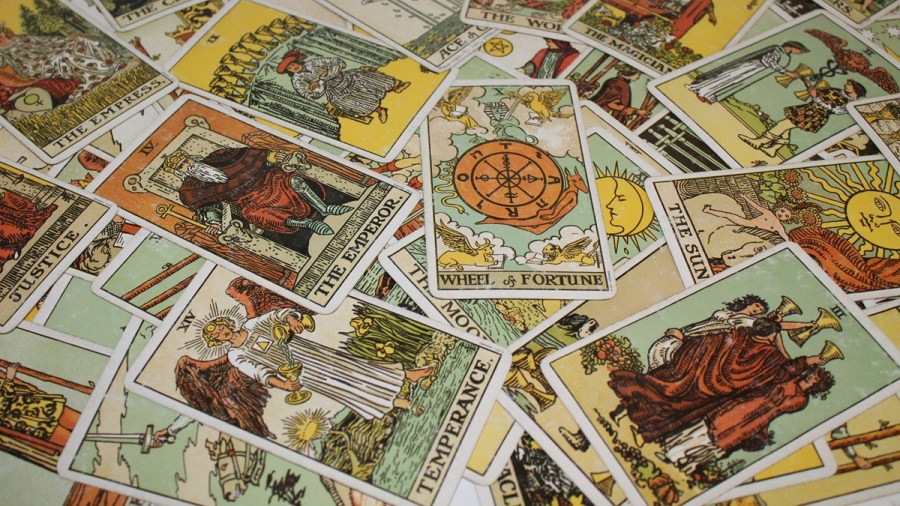

I can’t help myself when it comes to putting the deck of many things in front of my players. Now it’s back again, and it’s thrown my campaign on a very unexpected course.
Continue reading “Gaming Stories: Revenge of the Deck of Many Things”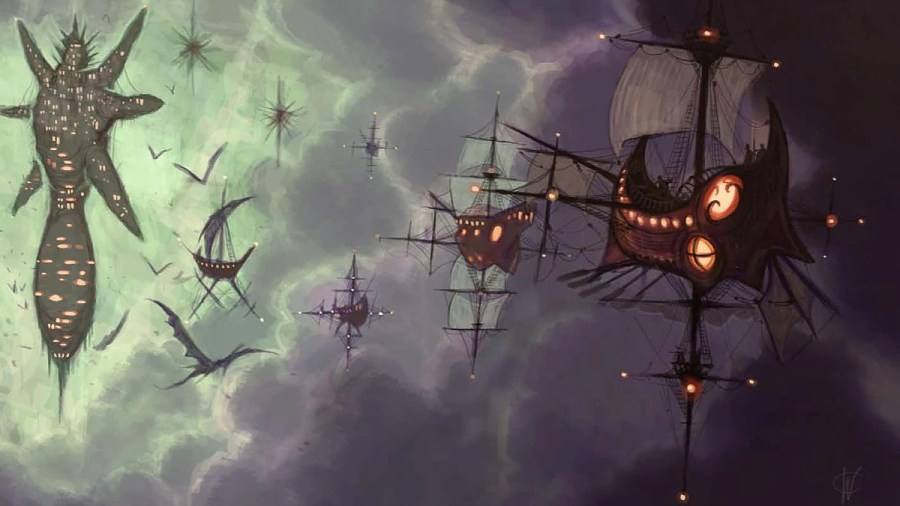
The destruction of the SS Stupid brought an end to one of the more bizarre chapters of my GMing experience. But great stories often get sequels, and it wasn’t long before the SS Stupid returned in a new, grander form.
Continue reading “The SS Stupid Rides Again”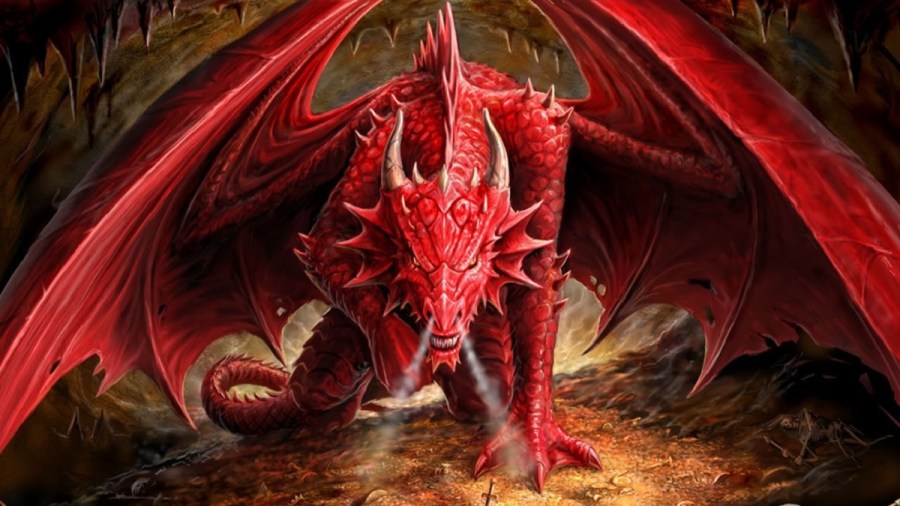
Recurring villains are one of those storytelling elements that just seems next to impossible to translate into a role-playing game. A villain needs to make the players want to hate him, but he also needs to survive contact with the group. It’s easy to do one, but not both; if the players really hate a villain, they’ll often go all out to defeat him, plot be damned. There are only a handful of ways to keep a villain in live in that case: keep him behind a glass wall, illusory projection, or similar device to bestow plot armor, make him powerful enough to take the whole group on and win (in which case you run the risk of the players not knowing when to retreat), or use cheap GM fiat tricks to guarantee his survival…in which case you’re taking the “game” out of “role-playing game.”
I’ve been on both sides of the table on the matter. As a GM, I’ve watched guys I expected to be major villains gunned down, stabbed, or tossed out of windows. As a player, I’ve gone on murderous rampages to take down bad guys, sometimes sacrificing my own characters and sometimes ignoring the positive aspects of a villain’s personality because of my seething hatred of them. (In particular, my friend Nick once ran a game with a very good samurai villain who was not actually a bad guy but rather honor-bound into serving the big villain. He eventually tried joining the group, but I was so sick of getting my ass kicked by him at that point that I was quite hostile in the role-playing interaction, much to the detriment of the game.)
I’ve played RPGs for about twenty years, but I’ve only had a handful of really good villains. One of them is a decade old now and still going strong, much to my delight and the anguish of the players. Hailing from various Dungeons & Dragons and Pathfinder games, his name is Derrezen, but he is best known in my games as the Red Mage. This is a look at how he got introduced, what worked for him and what didn’t on his rise to villainy, and why he became a character my players loved to hate.
Continue reading “Gaming Stories: Rise and Fall of the Red Mage”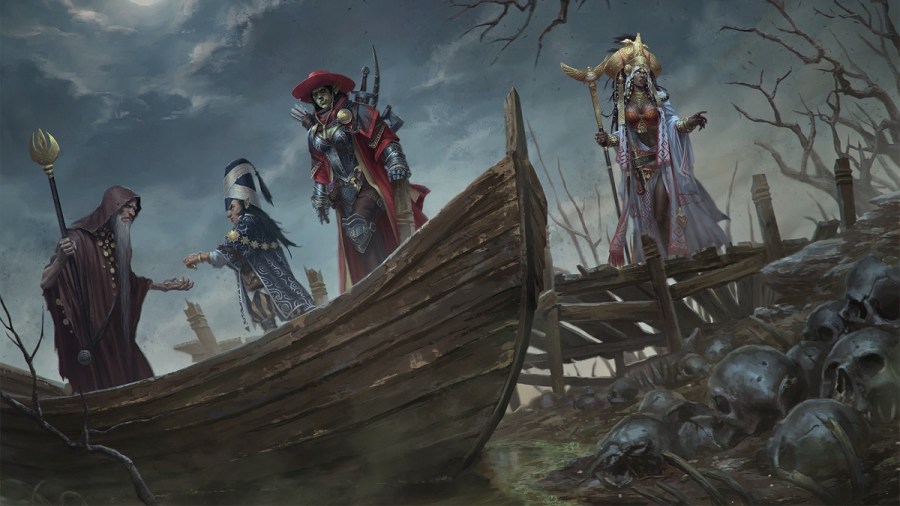
The beauty of role-playing games lies in the stupidity of the PCs. Sometimes they will act with tactical precision and annihilate their foes, but often they will come up with the most ridiculous harebrained schemes imaginable. Those moments of glorious foolishness are where RPGs shine the brightest. Such was the case when the players in my Pathfinder game created the SS Stupid and set it off on its maiden voyage.
Continue reading “Gaming Stories: Ride of the SS Stupid” Babbling Brooks