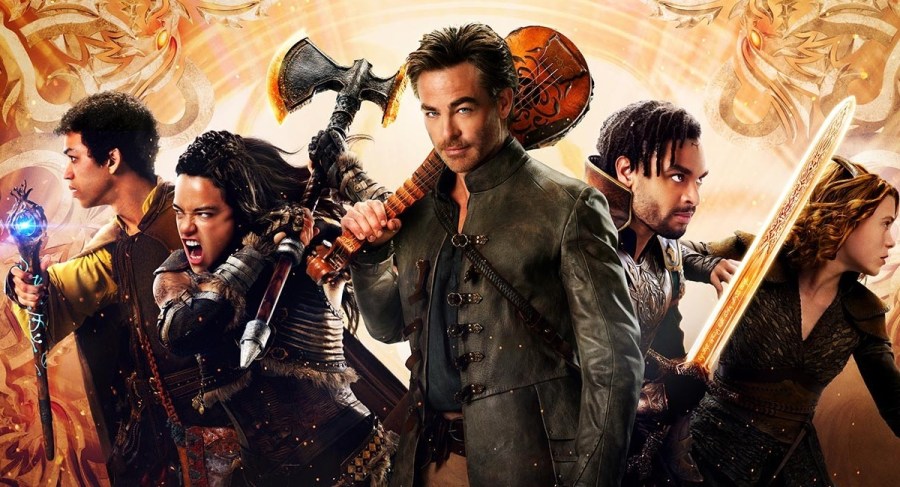
After so many years where mention of a Dungeons & Dragons movie meant some of the cringiest moments in film history, it is an absolute joy to have a good D&D movie with 2023’s Honor Among Thieves. That film managed to provide a solid, fun story spurred on by a likeable cast, and it caught a good among of accurate game lore in it as well.
Most remarkably, I found that Honor Among Thieves managed to feel like an authentic D&D session captured on the big screen. Just about everything that happened in the movie could occur in a D&D session, including stuff that isn’t in the rules but which every gamer has experienced. Here are the moments in Honor Among Thieves that really sold this film to me as a game come to life.
The PCs Mess Things Up from the Beginning
Aside from a bit of scenery dressing where Holga beats up a random prisoner, the first real challenge the heroes face in Honor Among Thieves is their escape from prison. Edgin tells the gathered councilors about his sympathetic backstory, winning his pardon. But the players don’t wait for the scene to play out: they jump right to a harebrained backup plan.
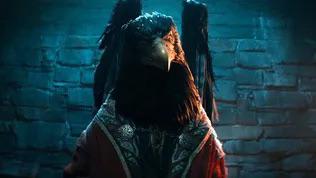
Very clearly, Edgin made his Charisma (Persuasion) check. Since the whole adventure doesn’t happen without him making it, the DM was probably going to let him succeed regardless. But his player rolled something like an 8 and didn’t wait for things to play out. Convinced he had failed, he instead grabbed the nearest aaracockra and jumped out the window, while the DM spoke through one of the assembled NPCs: “But we approved your pardon!”
Only One Player Knows the Rules
Everything that happens in Honor Among Thieves can happen at a D&D table, but a good chunk of it requires bending the rules. This is a good thing, because one of the appeals of a tabletop RPG is the way folks improvise and make things up on the fly. And, true to the spirit of D&D, most of the players in Honor Among Thieves don’t know the rules.
You’ve got Holga the barbarian, who has a basic understanding that she rages and fights. She even has a little bit of a backstory, name-dropping the Uthgardt from Forgotten Realms lore. You’ve got Doric the druid, who loves the whole shapeshifting motif so much that the DM had to make a house rule where she could sacrifice her spell slots to shapeshift more. And you’ve got Edgin, the charismatic bard whose player thinks that a gaming session is just a chance to improvise and make up silly jokes. His player cares so little about the rules that he doesn’t realize that bards can cast spells or that a lute is a suboptimal weapon.
And then you’ve got Simon, whose player is the only one who has read the rulebooks.
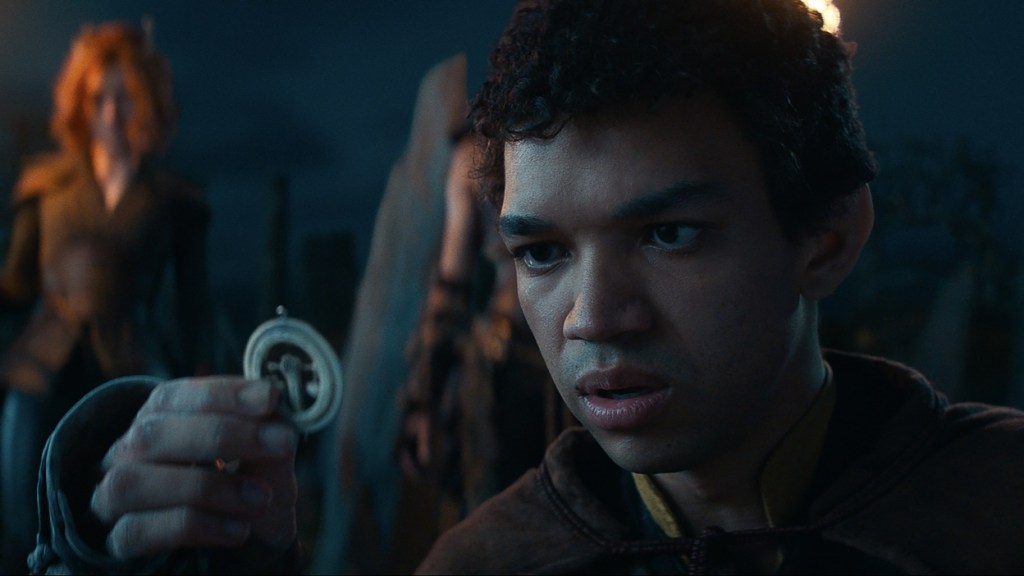
Simon knows all about his spells, has a great many magic trinkets, and can tell other players about their abilities. He keeps track of his material components and created an incredibly intricate component pouch. His player even knows the setting lore, having created a backstory that places him as the black sheep of the prestigious Aumar line, descended from Elminster the Sage, the greatest mage in all of Toril.
Unfortunately, he also rolls terribly.
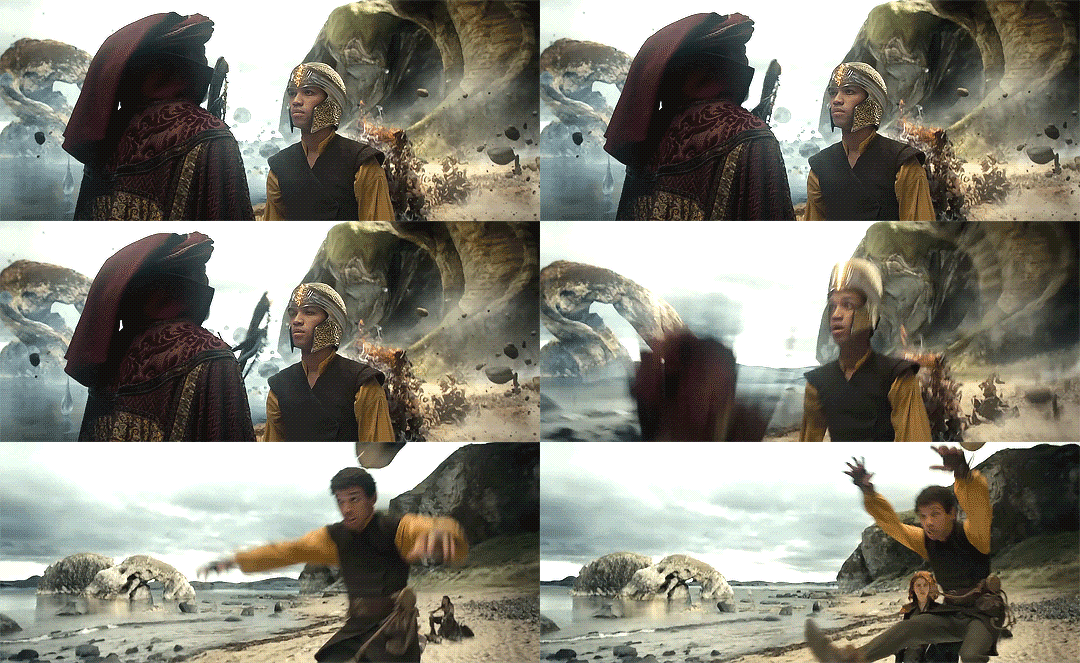
Luckily for him, his passion for the game leads to the DM awarding him Inspiration, which allows him to finally roll well in the movie’s climax.
The Paladin is Obnoxious but Also Great
Paladins have always been a polarizing figure in D&D. Originally holy warriors who not only had to be lawful good in alignment but also had to adhere to incredibly strict ethos, they still tend to be the stick-up-your-ass class despite a gradual easing of their role-playing restrictions. I can’t imagine that anyone could epitomize this archetype better than the humorless yet unflappable Xenk Yendar.
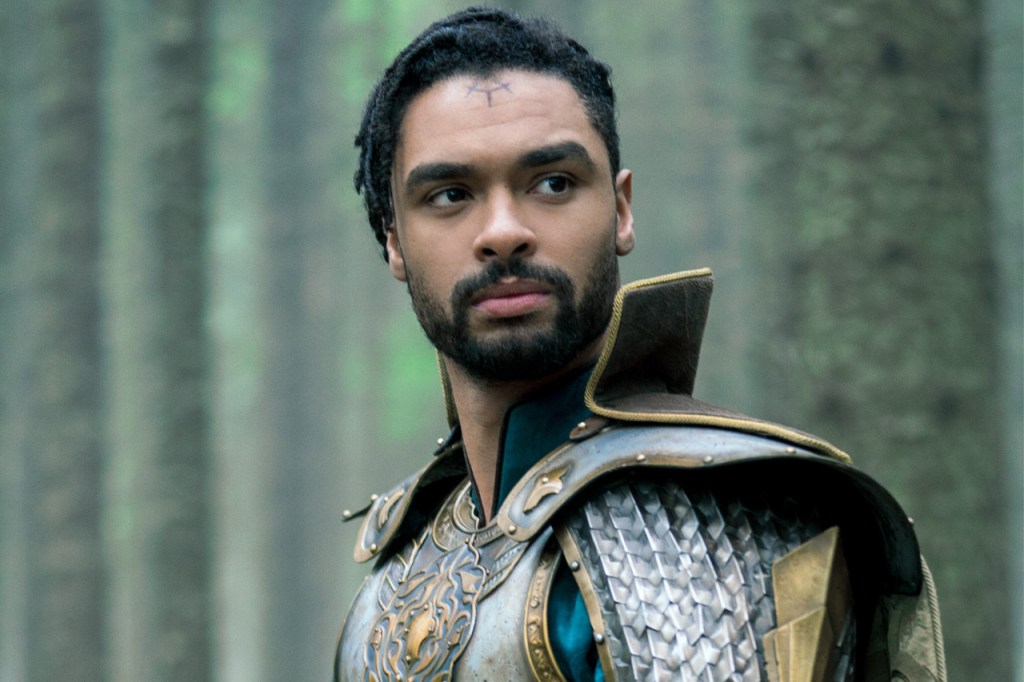
A combination of quest-giver and allied adventurer, Xenk’s plain speaking and deadpan delivery makes him a perfect foil for the fast-talking Edgin and his snarky companions. His adherence to the Harpers’ code and insistence that any treasure the group recovers be given to the poor highlights the paladin’s reputation as an uncompromising do-gooder.
Such a character would usually be insufferable, but Xenk has a certain awareness and a dry humor that keeps him likeable. Moreover, when the heroes get cornered by undead and then a very chubby dragon, he showcases the sort of badassery that the paladin’s code gets him, putting on a combat display that leaves everyone speechless.
Xenk Yendar is the ultimate paladin: annoying as heck, but great to have on your side.
A Nat 1 Almost Derails the Adventure
In a hilariously delightful moment of heroic incompetence, Simon ruins Xenk’s detailed explanation about how to cross a trapped bridge over molten lava by triggering the trap and destroying the bridge. Xenk’s frustrated expression mirrors what the would-be Dungeon Master must be feeling; no bridge means no adventure. Luckily, the DM is quick on her feet and comes up with a complete BS solution: the hither thither staff.
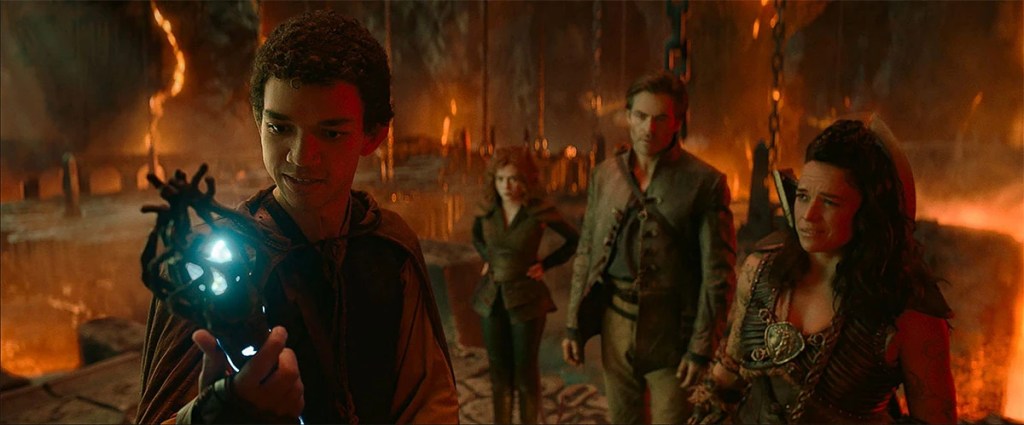
Oh, hey, it turns out that the walking stick Holga gave her husband years ago is actually magic! Not only magic, but super-overpowered, able to create a quarter-mile teleportation effect that can be used an infinite number of times per day. The staff is so ludicrously built that it’s clear the DM whipped it up on the fly. If there’s a sequel to this movie, I guarantee the first act has the staff get broken or stolen, because no DM in their right mind is going to keep that thing around and let it ruin their game.
The Gamiest Movie
Honor Among Thieves succeeds admirably at being a true D&D movie, not only because it is an entertaining film with a good story, but also because it really captures the feel of a typical tabletop session. Your average D&D game is not a recreation of Lord of the Rings; it is a comedy of errors where the heroes muddle through things and somehow come out on top despite their boobery.
 Babbling Brooks