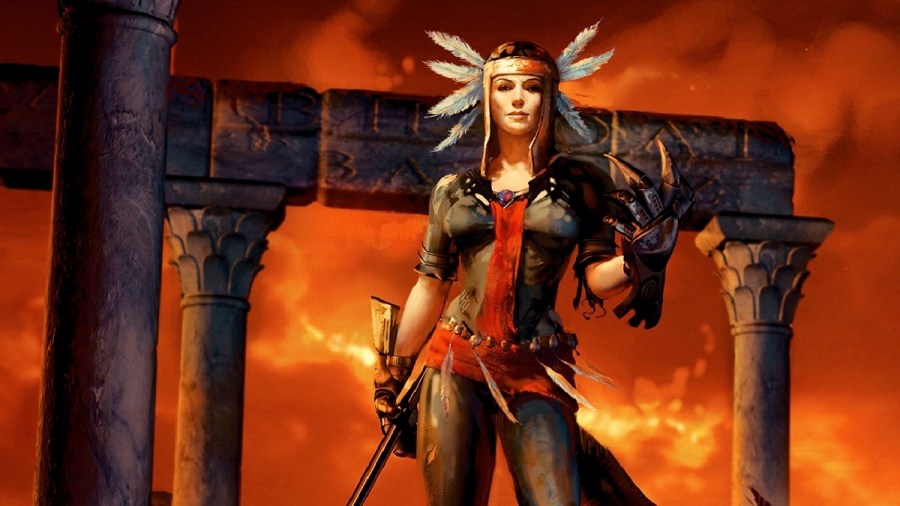
Baldur’s Gate 3 is taking the video game world by storm. It takes the unenviable task of following up on a beloved franchise that has lain dormant for years and not only proves itself worthy but may be the best entry in the series. But while there is no curbing my excitement to return to old stomping grounds, there are some sharp pangs of regret as I see the fate of certain individuals who deserved better.
Any follow-up to the epic conclusion of Baldur’s Gate 2: Throne of Bhaal was going to have to make some decisions in how things ended canonically, since the game offers many different possible fates for Gorion’s ward and their companions. Unfortunately, that canon proves to be quite unkind to some returning faces. Some of that could have been avoided through different storytelling approaches, but much of it unfortunately comes down to how the Dungeons & Dragons has been mismanaged since the 2001 finale of Throne of Bhaal.
Naturally, spoilers for Baldur’s Gate 3 (and its much older predecessors) follow.
Bad Guys Done Good, Done Bad Again
The original Baldur’s Gate games generally assumed a heroic character. That said, there were still plenty of evil options for the hero of Baldur’s Gate to choose, and some of the most interesting companions were evil.
In fact, two of those excellent companions were so compelling that they had content for good-aligned characters, too. In Baldur’s Gate 2, Viconia served as an antagonistic companion but could be won over by someone willing to woo her and listen to her horror stories of the Underdark. Ultimately, you got an opportunity to redeem her and shift her alignment to neutral in Throne of Bhaal.
Meanwhile, Sarevok began as a villain in Baldur’s Gate but became a companion in Throne of Bhaal, resurrected by you so you could navigate Bhaal’s pocket plane in Avernus. The resurrected Sarevok remained evil and power hungry, but had lost the divine gifts that came from him being one of the god of murder’s children. Again, with time, the protagonist could win Sarevok over and have him turn over a new leaf. After all, playing the same old tune got him killed twice…did he really want to wind up in Hell again?
Regardless of what you chose to do in Baldur’s Gate 2, Baldur’s Gate 3 makes the determination that both Viconia and Sarevok fell back into their evil ways. This isn’t such a terrible thing, but I find the way in which they pursue that evil disappointing. While their character development in the original series saw them question and reject gods, both of them wind up as eager pawns for evil deities in Baldur’s Gate 3.
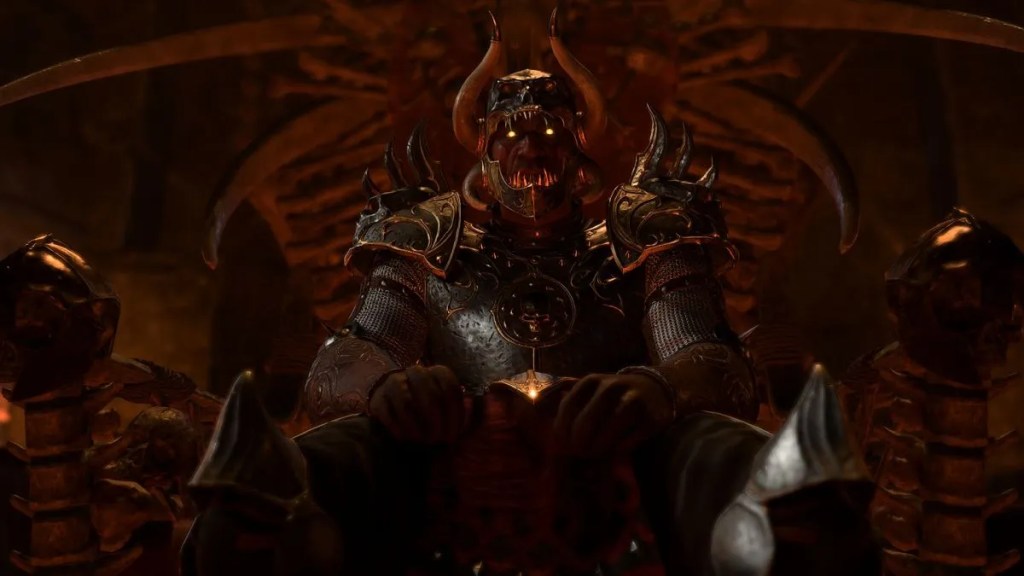
We find Sarevok leading a murder tribunal, wearing the iconic armor that had previously disintegrated upon his first death in Baldur’s Gate. Once a person who had sought not merely to earn Bhaal’s favor but to usurp him, he is now effectively a puppet for the Lord of Murder, eagerly carrying out his father’s bidding. If you fight him using the Dark Urge origin, he even expresses a sort of happiness that his final death will come at the hands of a child of Bhaal…a far cry from, “I will be the last…and you will go first” from the original game.
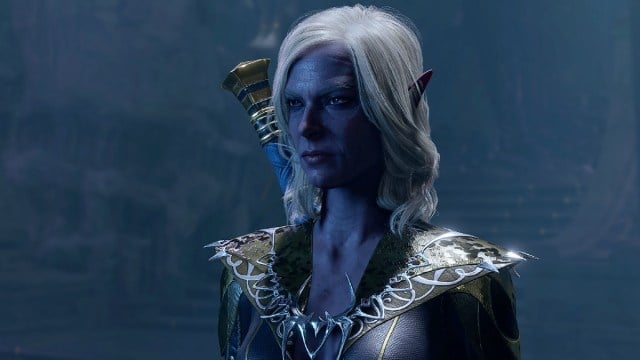
Viconia is perhaps the most disappointing, and only part of that relates to the fact that she had far more content in the previous games. Once a priestess of the drow goddess Lolth, Viconia abandoned her goddess because of the needless greed and excess she promoted among her followers. It’s not that she didn’t mind making living sacrifices in the name of the Spider Queen…she just didn’t see the point in killing babies on the altar just for the sake of doing it. The Viconia of the first two games was pragmatic in her villainy, doing what needed to be done for survival, but not being evil just for the sake of it.
Baldur’s Gate 3 Viconia, however, blindly follows her goddess Shar, to the point where she has no problem slaughtering a group of devoted followers just because her goddess told her to. Even ignoring the fact that the developers chose to ignore her possible redemption arc from the previous games, it’s a bit disappointing that she fought so hard to avoid being Lolth’s puppet only so she could become Shar’s puppet instead. But I guess at least she didn’t die at the hands of a drow assassin as one of her endings in Throne of Bhaal implied, I guess.
In short, it’s a shame that both of these redeemable companions from the first game show up as puppy-kicking villains in the new game. It’s even more disappointing that their portrayal strips out a lot of the nuance that they once had, shifting them from interesting characters who had their own agendas to mouthpieces of their evil gods.
The Big Disappointment: The Return of Bhaal
The climax of Throne of Bhaal brought 300+ hours of gameplay to a close with one monumental decision: Gorion’s ward had to choose whether to become a god or give up their divine birthright. No matter what you chose, you finally made sure that Bhaal was gone for good…
…except it turns out you didn’t.
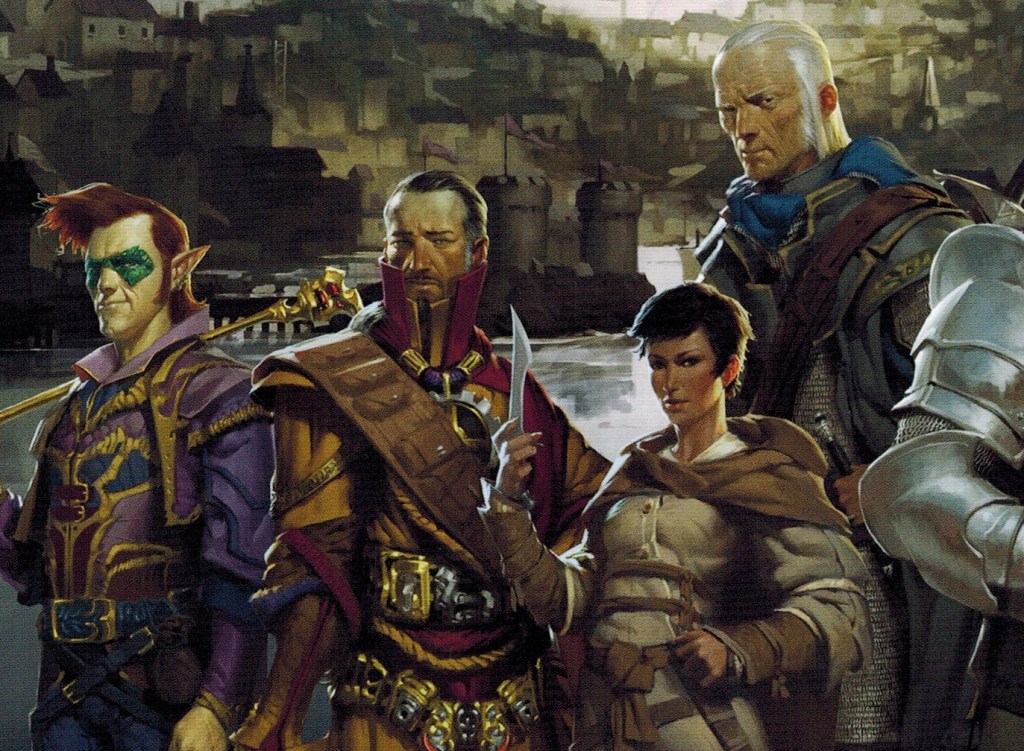
Bhaal plays a role in Baldur’s Gate 3, because no matter what you tried to do to get rid of him in the previous games, it didn’t work. To be fair, this isn’t a canon change that Larian decided upon specifically for Baldur’s Gate 3. In fact, it happened almost a decade ago in the D&D module Murder in Baldur’s Gate.
That module was meant to be a return to form for D&D and the Forgotten Realms, which had lost a large chunk of its audience due to the sweeping changes of 4th edition. Wizards of the Coast opted to trade on one of the most popular D&D stories ever told by bringing back elements of the original Baldur’s Gate series. And in doing so, they unfortunately undid the climactic decision the player makes at the end of that epic saga.
Murder in Baldur’s Gate presents Abdel Adrian, the protagonist from the ill-received novelization of the game, as the stand-in for the player character from the video games. In the official canon, he apparently gave up his Bhaalspawn essence to prevent Bhaal’s return. Except that it turns out he missed one.
Viekang, a minor character you could have saved in Throne of Bhaal, returns to kill Abdel. No matter what happens, when one of them dies the other becomes a monster whose emergence enables the return of Bhaal. Down the line, this event leads to Baldur’s Gate 3.
Admittedly, the other gods in the Dead Three, Bane and Myrkul, also died and came back. But there was no major, epic adventure where you spent hundreds of hours preventing their return. Given what your character went through, all the sacrifices made, and how much investment those games asked from players, having Bhaal return no matter what you chose is a disappointment. It’s worse in Murder in Baldur’s Gate, since his resurrection comes at the expense of the stand-in for your own player character.
The Problems with a License
I chalk Viconia’s regression to a yes-lady for her deity to be a disappointment, but it is ultimately a difference in interpretation between me and Larian. Since they’re the ones writing the game, they get to determine what Viconia has been up to for the past century. Sarevok’s appearance and the return of Bhaal, on the other hand, are symptoms of the problem with a popular license.
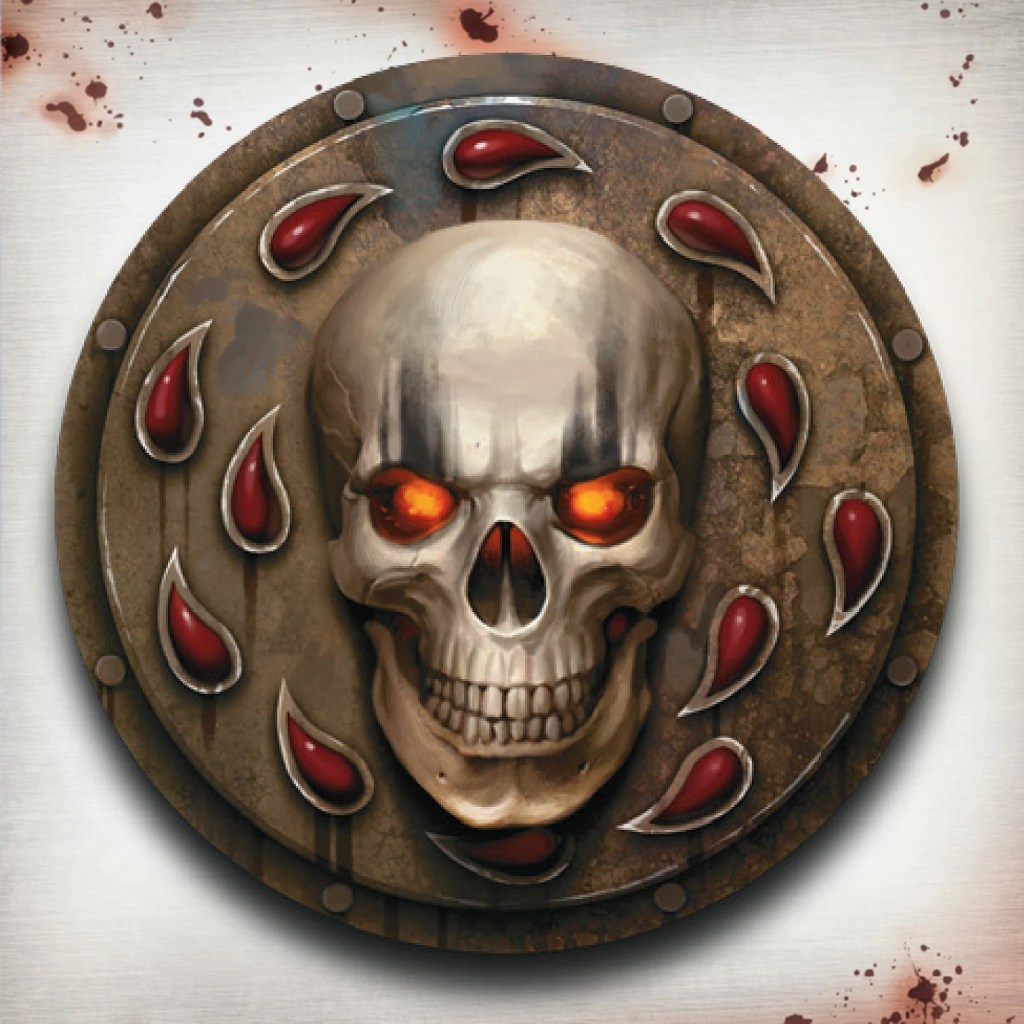
In short, Bhaal makes money for the holder of the D&D license, so he’s never going to die. And despite Sarevok’s character development throughout the Baldur’s Gate series, he’s most well-known as the guy in demonic armor who showed up on the original Baldur’s Gate box. Ultimately, D&D relies a lot on tradition and nostalgia, so there’s only so far that they’ll move away from that.
Reducing the end of Throne of Bhaal to a temporary setback for the Lord of Murder is a bit of a kick in the pants, but it’s the price you pay when you decide to play in the biggest RPG sandbox around. On the bright side, it also means that sometimes lost friends won’t be gone for long. If Minsc could spend a century trapped in statue form so he could adventure with you again down the line, there’s hope for Karlach and other popular characters whose canon endings may seem like irreversible doom.
Featured Image: Bioware
 Babbling Brooks